A keynote that looked at the key trends and opportunities in the areas of personal financial planning, investment, mortgage and other financial services.
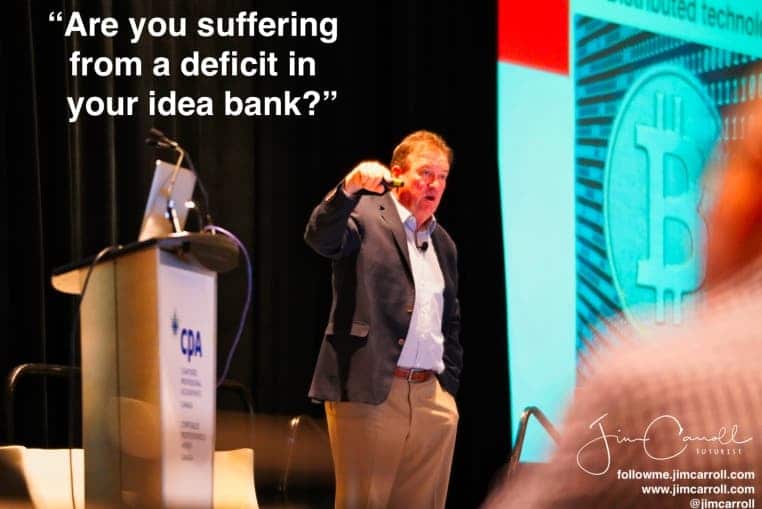

A keynote that looked at the key trends and opportunities in the areas of personal financial planning, investment, mortgage and other financial services.
This keynote for 500+ senior executives in Sydney, Australia, looked at innovation trends in the global economy, and in particular, the disruptive change and opportunities that mobile technology will provide in various industries.
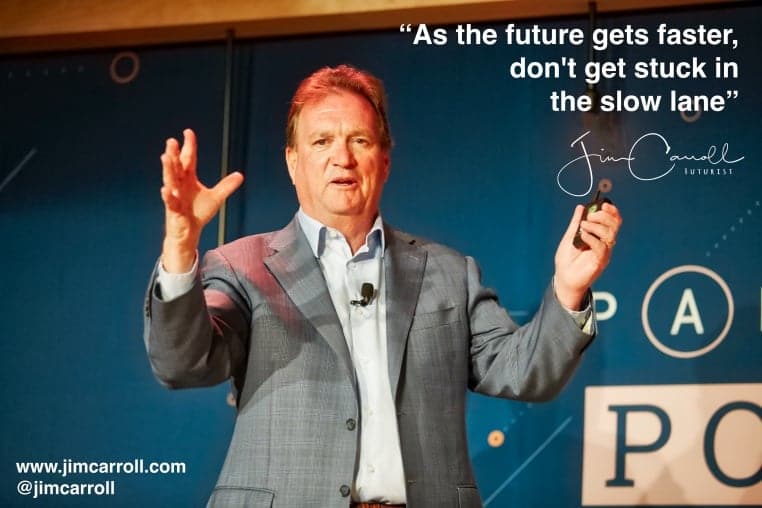
 I’m off to keynote an event in Sydney, Australia; and after that, two weeks of family time in the tropics of Australia.
Years ago, inspired by similar times, I wrote about how innovation thrives in the building of sandcastles. It was a great post — it made it into BusinessWeek. I thought it a fitting post to leave here while I’m away.
I will still be answering email and checking calls, but could just be a touch slow.
With that line of thinking, here’s my list of “10 Reasons Why Innovation Thrives in the Building of Sandcastles: and What We Can Learn From Such Creativity.”
 One of the key tenets of my book, Ready, Set, Done — How to Innovate When Faster is the New Fast,is that organizational “agility” is a fundamental cornerstone for future success.
It doesn’t matter who you are or what you do — fast defines success.
A few years ago, I spent time with management of a big car company. I don’t think they got the concept.
Then there’s Honda. Read this story about one of their Canadian plants — and ponder on this sentence:
“Honda’s assembly lines can switch models in as little as 10 days, spokesman Sakae Uruma said. By contrast, it could take months for most rivals to make the same change.“
While certain sectors of the auto economy are in turmoil, others are in growth mode. One of the defining reasons being, they’ve structured themselves to act and change quickly. As big truck sales plummet, fast movers like these pick up the slack.
There’s some very important food for thought here. Faster is the new fast.

 A few weeks ago, I arrived in my hotel room, and connected back to my home office via Skype. I found my sons using my Mac (long story!), and proceeded to have a one-hour video conference with them.
During this time, I ordered room service, my dinner arrived, and I ate it. All this time they played a variety of video games, worked on homework, and I unpacked my suitcase and organized my stuff.
All the while, we chatted back and forth. My youngest son made a comment at one point: “it’s just like you’re at home.”
That’s the thing about this next generation and their concept of “where is “there”.” To date, few organizations have really taken to videoconferencing and other forms of virtuality ; yet as today’s 15 year old enters the workforce in the next decade, that is all set to change.
One of the most significant trends I cover in my “What Comes Next” trends perspective is this one: “Resistance retires.” It’s worth a read — simply put, within 10 years, much of the workforce will have grown up with technology, and the pace of how different the workplace, workforce, structure of the organization, structure of the working day, and everything else, is just going to be torn apart and rebuilt.
You can see the signs of the aging of Gen-Connect with today’s new “wired soccer mom.” Alabama’s Times Daily just ran an article examining the phenomena, and I’m quoted liberally thorughout the article:
Jim Carroll, a futurist, trends and innovations expert, said moms between 25 and 32 grew up right along with the technology that enables them to communicate via text.
“It’s technology that’s been around for between 10 and 12 years, so they probably started texting when they were kids in nightclubs, and now they’re the parents with little ones,” he said.
For those who didn’t grow up with it, texting might not ever catch on, Carroll said, and e-mail will remain the way to communicate electronically.
Already, text messaging, which is known in the wireless world as SMS, or short message service, has been adapted for weather and safety alerts on college campuses in the U.S. as well as a violence prevention tool in Kenya, Africa.
So much of this, Carroll contends, is a result of people such as his 12- and 14-year-old sons growing up using the technology and finding ways to apply it in the real world.
“We’re seeing this come into the work force and influence the way we think, act and communicate, and you’ll see that these younger users won’t think a thing about sending a text to a peer in the business community or even a young doctor preferring to send a text to a patient,” he said.
The key point is, anything is on the table, and were in for massive changes in the workplace because of simple demographic change.
:
 I’m quoted in a Reuters article that has run in the Washington Post, Globe and Mail, and the Sydney MX among a few, that comments on the recent woes of Starbuck’s.
Titled “Not everyone’s crying in their lattes for Starbucks; There’s a schadenfreude among some coffee drinkers who think the java giant got too big too fast,” the article looks at how some people seem to be enjoying Starbucks in its Icarus moment.
My comments?
The schadenfreude of coffee drinkers drawing satisfaction from another’s misfortune is part of the popular culture that enjoys the downfall of companies or celebrities, said Jim Carroll, a Mississauga-based trends and innovation expert.
“There are a lot of people out there who take delight in seeing an icon torn down by the masses,” he said.
Starbucks fell victim to a rapid change in attitude, fuelled by Internet bloggers complaining endlessly about everything from layoffs to its breakfast sandwiches, he said.
“Starbucks was a cool brand, and then all of a sudden it’s not a cool brand,” he said. “There’s this new global consciousness that is out there that can suddenly shift.”
This is exactly what I write about in my book Ready, Set, Done: How to Innovate When Faster is the New Fast. Indeed, one chapter talks about how in this era of very fast change, a brand can go from “hero to zero” in a matter of months, or even less. That’s partially what we are witnessing here.
The key thing today is velocity: business is impacted by rapid consumer change, product change, business model change, cost challenges, market change. The phrase I’ve been using for years is “volatility is the new normal.” Realize that, and build your innovation strategy around that, and you’ll be set for the types of challenges that will come your way.
This is particularly true with issues of branding : brand perceptions can change very quickly today, and I don’t think many organizations are prepared for that. Just look at how quickly any brand equity left attached to the US auto industry has evaporated!
More Information:



GET IN TOUCH
Jim's Facebook page
You'll find Jim's latest videos on Youtube
Mastodon. What's on Jim's mind? Check his feed!
LinkedIn - reach out to Jim for a professional connection!
Flickr! Get inspired! A massive archive of all of Jim's daily inspirational quotes!
Instagram - the home for Jim's motivational mind!