






01
The Future of Retail & Consumer
Fast consumers, intelligent commerce and relentless velocity.
Industries · Retail
A retail keynote must connect changing behaviour to merchandising and operations. The focus spans shopping agents, physical stores, pricing and fulfillment.
Begin with your audience
Retail executives, merchants, consumer brands and retail associations.
A retail keynote must connect changing behaviour to merchandising and operations. The focus spans shopping agents, physical stores, pricing and fulfillment. The final emphasis depends on who is attending, what they already understand, and the strategic choices your event is intended to support.
The research lens
These themes provide a direction for research, rather than a fixed set of slides. A leadership session can examine assumptions and investment priorities in depth. An industry conference can build a shared view of the changes affecting its members. A customer event can explore the future of the markets your customers serve.
From the industry brief
The sample guide develops five connected movements. The emphasis and examples are refined around the actual audience and event objectives.
Why attention, health, convenience and value now shift more rapidly.
Discovery, comparison, choice and machine customers change the selling process.
Showroom, experience hub, returns point and fulfillment node.
Pricing, inventory, demand sensing, personalization and operational intelligence.
Run focused tests, shorten learning loops and build a responsive organization.
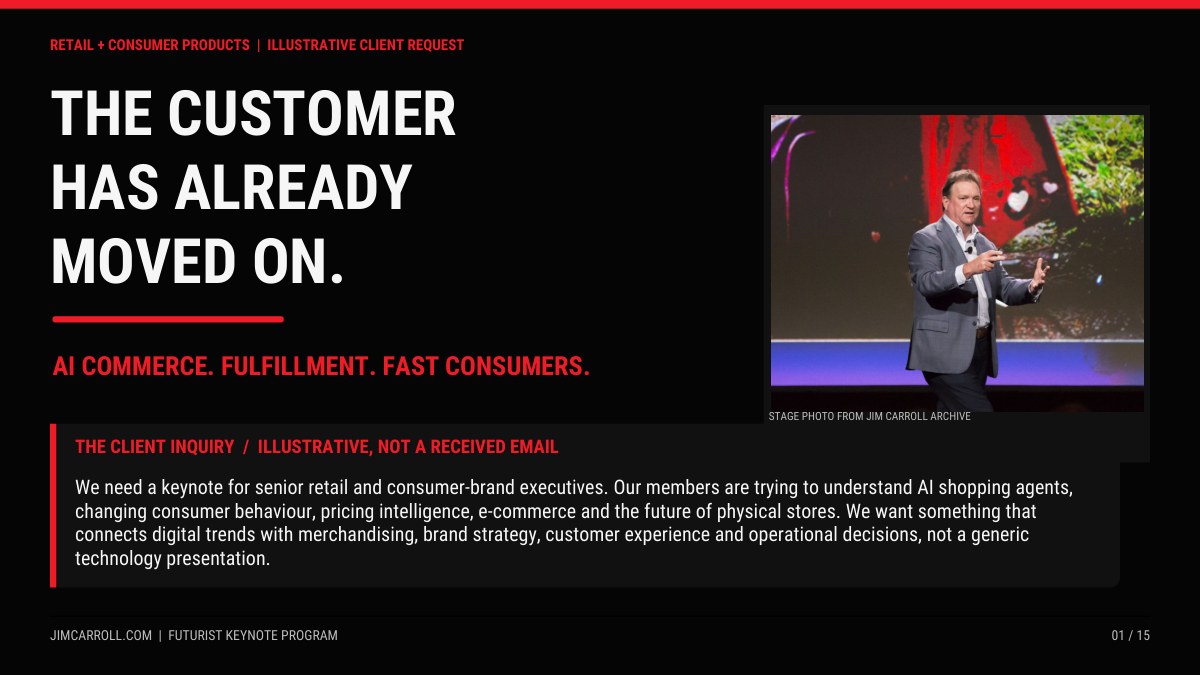
Illustrative industry brief · 15 pages
The complete guide develops the client challenge, relevant forces of change, keynote direction and industry experience. It is an illustrative briefing scenario, not a quotation from an actual client inquiry; the live proposal is shaped around your audience, priorities and objectives.
Read the retail brief (PDF) ↗All 21 briefs ↗Documented retail engagements
What clients say
Different feedback, all pointing to relevance, research and impact.
“Absolutely stunning. We know that retail and consumer behaviour is changing fast, but you really put it into perspective with detailed insight - it's obvious you did your homework. The best speaker we have ever had!”
“We thought we needed good insight into how we might be impacted by rapid changes in the business environment and consumer behaviour. We got more than we bargained for - not only concise details on key trends, but workable action plans as well.”
“A stunning keynote with extremely powerful insight. Humour, energy, deep research and relevant content for our audience. We loved him!”
“You were superb! As we make changes your message could not have come at a better time. This group likes tradition but unfortunately that often gets in the way of moving forward.”
Representative client experience
Retailers, global brands, restaurants, grocers, packaging, retail technology and supply-chain organizations.
The published record
Relevant published engagements from JimCarroll.com. Cross-industry examples show adjacent markets and questions; the specific scope of each assignment is described in its original story.
The deep dive
From clicks-and-mortar to anticipatory fulfillment.
For more than three decades, Jim Carroll has helped retailers, consumer brands, restaurants, grocers, distributors, packaging companies and supply-chain leaders understand how fast consumer behaviour changes - and how organizations must move with it.
A foundational career story
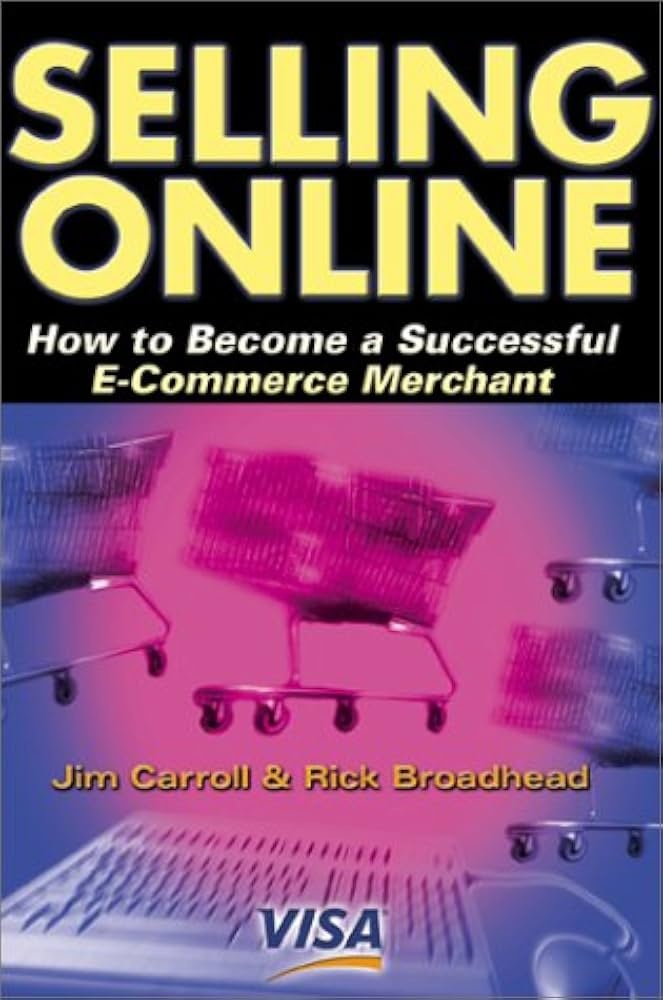
In 1999 Jim Carroll and Rick Broadhead published Selling Online: How to Become a Successful E-Commerce Merchant.
A senior executive at VISA USA saw the book and commissioned a custom edition of more than 60,000 copies, including VISA-specific content. VISA promoted and distributed the book to leading merchants as a practical guide to understanding the emerging world of online commerce.
Jim's message was deliberately pragmatic: pure-play “selling soap on the Web” hype was overdone. The larger revolution would come from B2B supply-chain restructuring and from digitally empowered customers using the Internet to influence physical-store purchases.
The future was never clicks versus bricks. It was clicks transforming the bricks.
Leadership in retail velocity
Product cycles shrink. Consumer tastes flip. New payment methods spread. Fulfillment expectations reset. A pacesetter changes the rules and everyone else has to catch up.
Behaviour, attention, trust, health, value, convenience and influence change faster than traditional planning cycles.
Move from committee-speed thinking to fast experimentation, rapid learning and disciplined scale.
Align the store, supply chain, data, pricing, payments and fulfillment around one continuous customer journey.
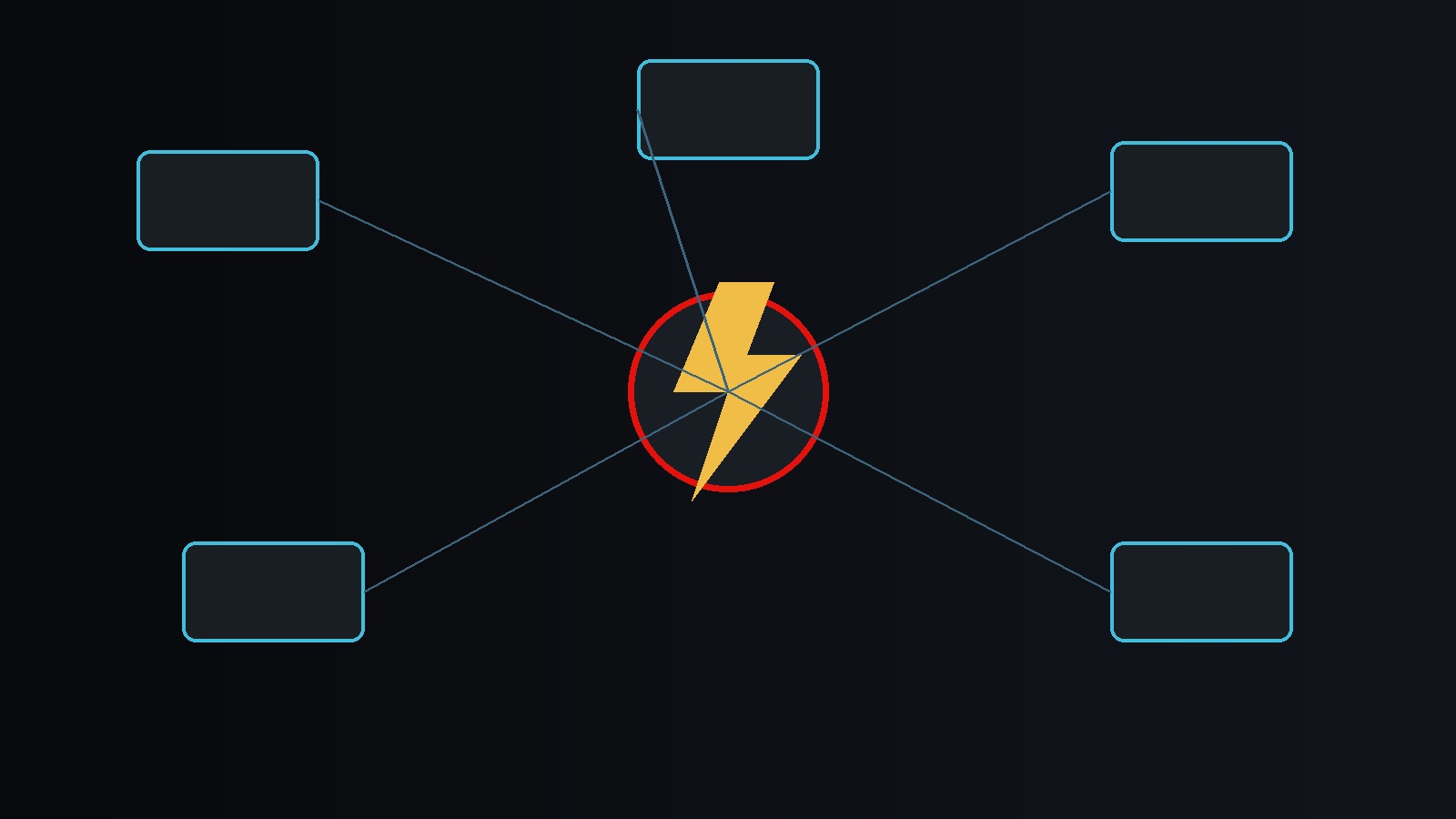

Potential keynote directions
These are directions, not canned speeches. They are blended around the audience, channel, product category, brand and strategic agenda.
01
Fast consumers, intelligent commerce and relentless velocity.
02
Shopping agents, dynamic pricing, personalization and machine-mediated commerce.
03
How logistics, fulfillment and e-commerce redefine physical retail.
04
Attention, trust, health, influence, value and convenience.
05
Collapsing product cycles, packaging intelligence and supply-chain velocity.
06
Innovation, growth and organizational speed.
Experience
Jim's retail work began before most organizations had a serious e-commerce strategy.
1996–99
E-commerce realism, empowered consumers, B2B supply chains and the first serious online merchant strategies.
2000–05
E-grocery, B2B ordering, customer loyalty, packaging innovation, retail systems and supply-chain integration.
2006–14
Mobile shopping, experience-driven stores, changing checkout, same-day delivery and store-as-showroom models.
2015–21
Click-and-collect, voice commerce, intelligent packaging, dynamic pricing, last-mile logistics and relentless velocity.
2022+
Shopping agents, anticipatory fulfillment, machine customers, algorithmic merchandising and real-time personalization.
The structural shift
Jim was making this call more than a decade ago. By 2026, ship-from-store, click-and-collect, dark stores and micro-fulfillment have made it an operating model.
The physical store increasingly becomes one node in a much larger network of inventory, data, fulfillment, pickup, returns and experiences. The back end increasingly defines the front end.
Retail was never about the store. It was always about the shelf coming to you.
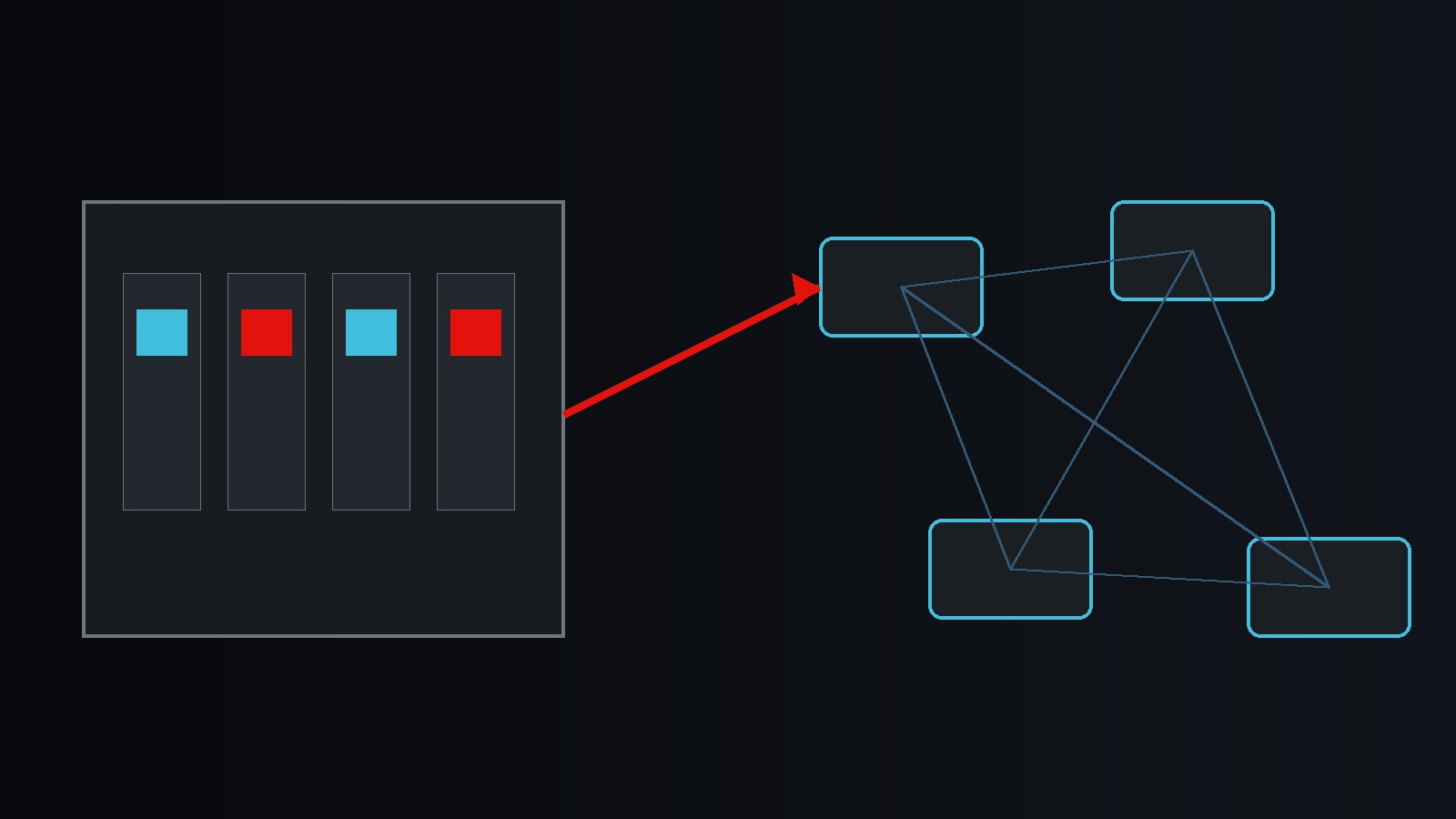
Mobile commerce
The phone did not simply become a shopping tool. It became the store interface.
Mobile payments, handheld checkout, tap-to-pay, digital wallets and cashierless formats turned payment from a place into a background process.
Fulfillment
Same-day delivery, next-day expectations, click-and-collect and ship-from-store changed what consumers define as fast.
The boring innovation - massive software-driven fulfillment infrastructure - mattered more than the photogenic innovation.
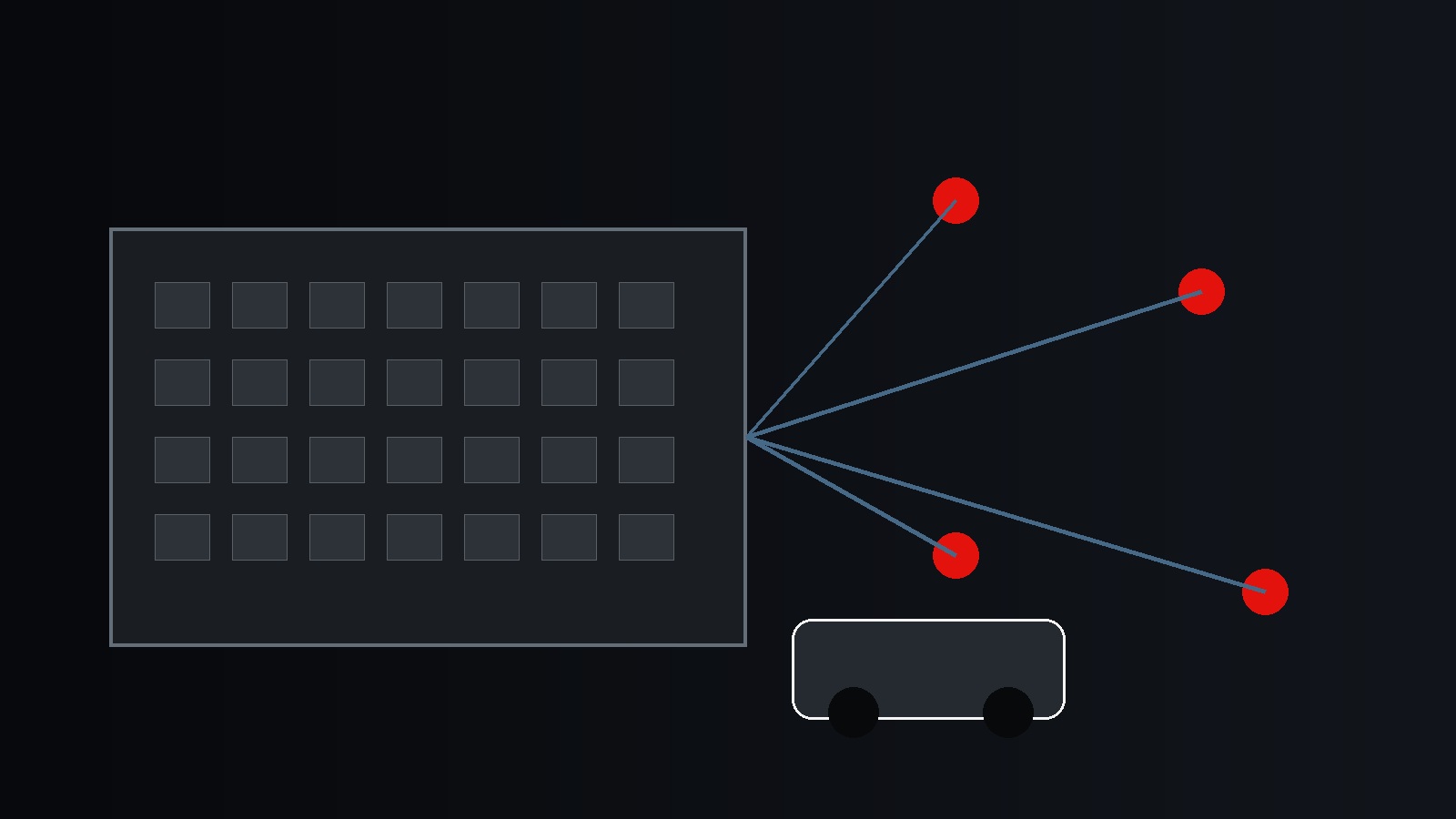
AI commerce
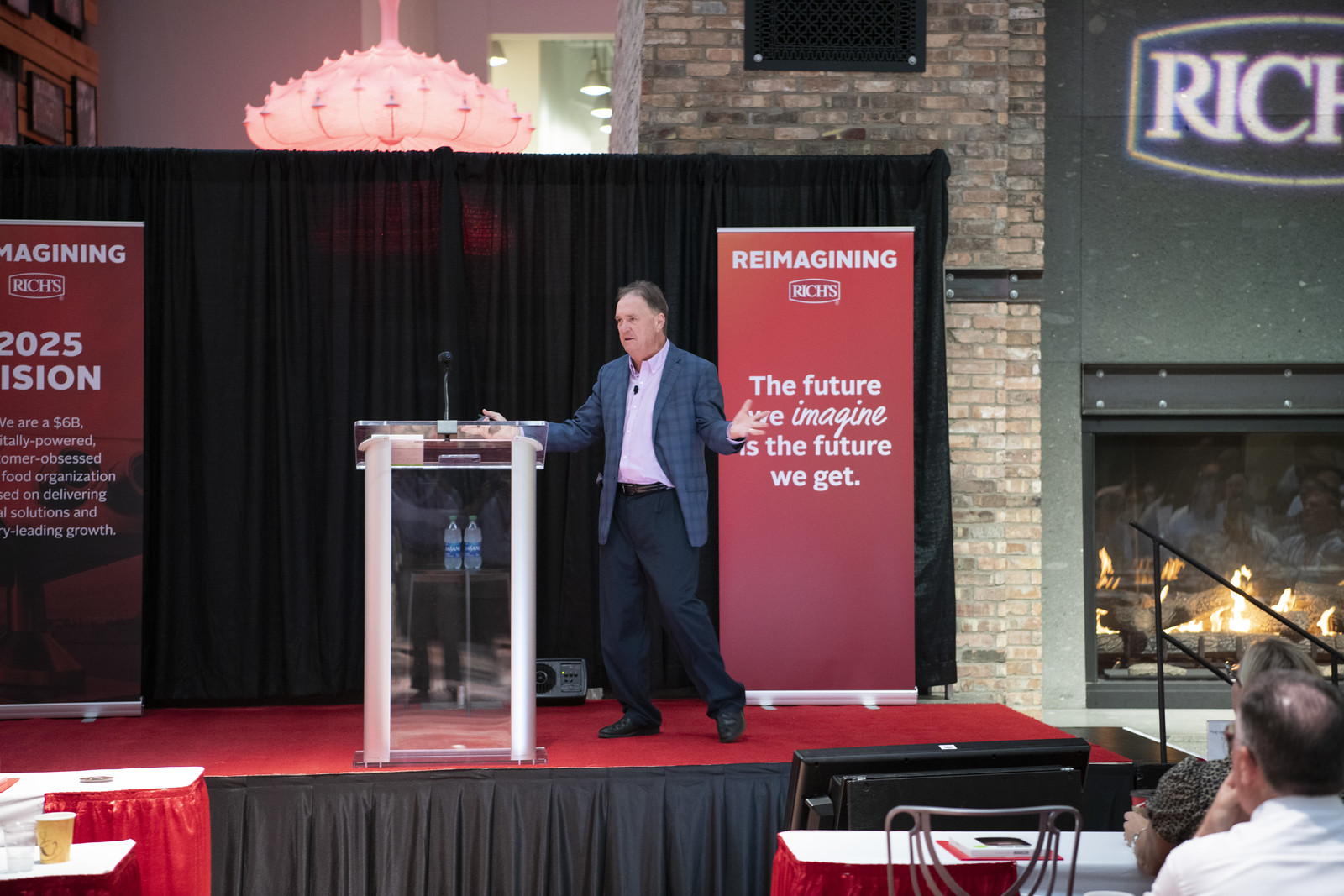
If the machine cannot find you, understand you, trust your data or verify your value, it can route around you.
AI agents increasingly compare products, evaluate value, check availability, assemble baskets and make purchase decisions. Retailers must increasingly sell to both people and machines.
Retail intelligence
Algorithms increasingly connect price, inventory, demand, competition, weather, location, loyalty and promotion in real time.

Prices become more responsive to context, demand and inventory.
Promotions become more relevant to actual behaviour and loyalty data.
Assortment and promotion decisions move closer to the moment of demand.
CPG & packaging
Packaging stops being only a container. It becomes an information layer.
Active packaging, intelligent labels, connected products, sustainability, traceability and changing consumer expectations turn packaging into data, brand experience and logistics infrastructure.
Prediction scorecard
The structural shifts landed. Some of the most photogenic technologies took longer.
1996
The Web transforms stores and supply chains rather than simply killing them.
2012
The store becomes the front end for a logistics and e-commerce system.
2015
The cash register disappears and the phone becomes the payment interface.
2015
Same-day and omnichannel become competitive infrastructure.
2019
Stores and malls evolve toward experience and logistics roles.
Client stories
Global franchise systems, food and CPG companies, retailers, pricing companies, packaging organizations and supply-chain leaders.
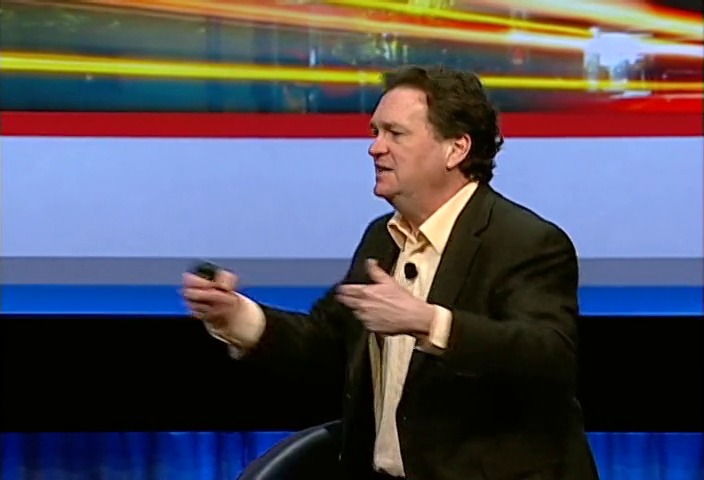
Yum! Brands
Innovation and growth during the 2009 downturn: international expansion, changing consumer behaviour, mobile technology and brand innovation.
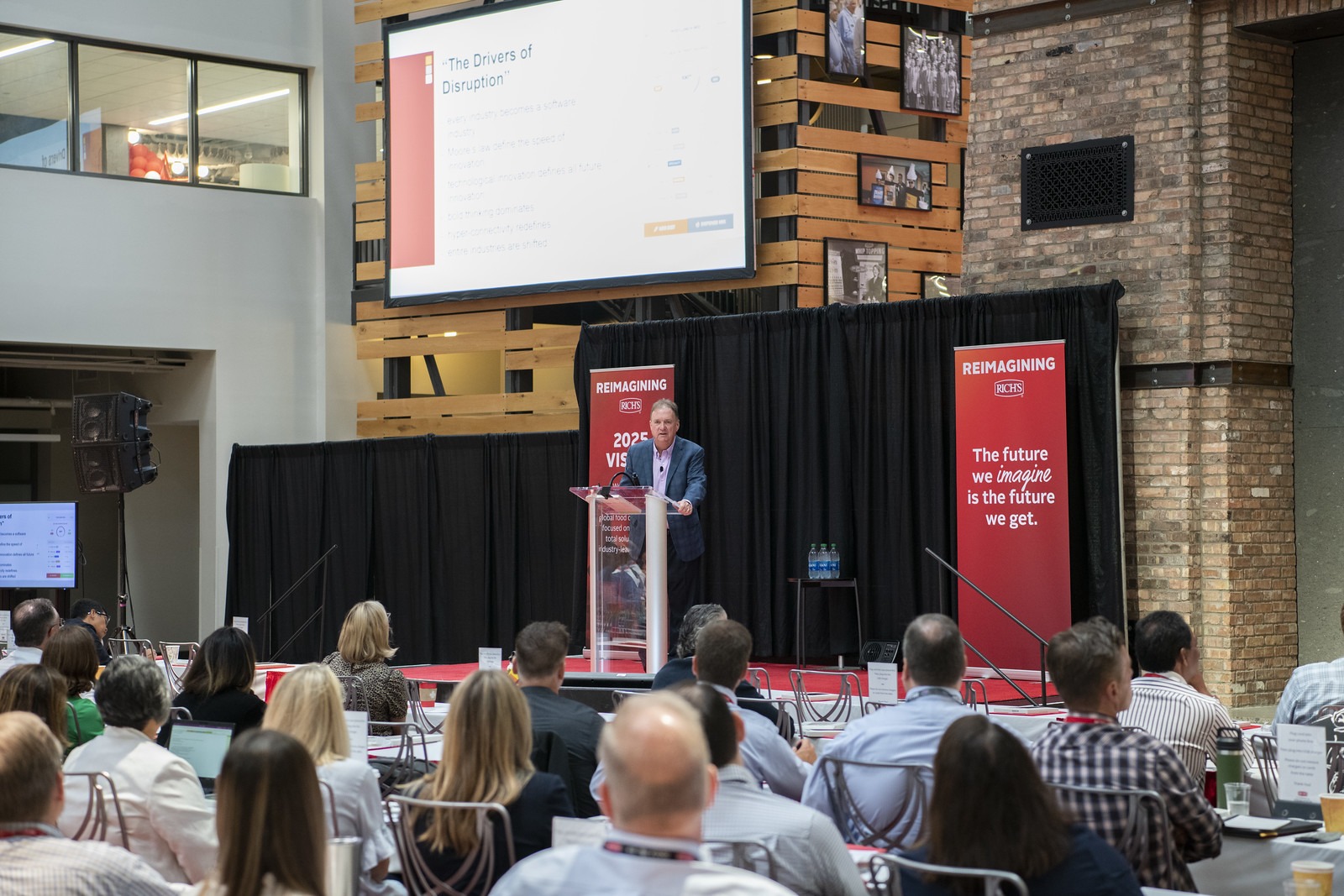
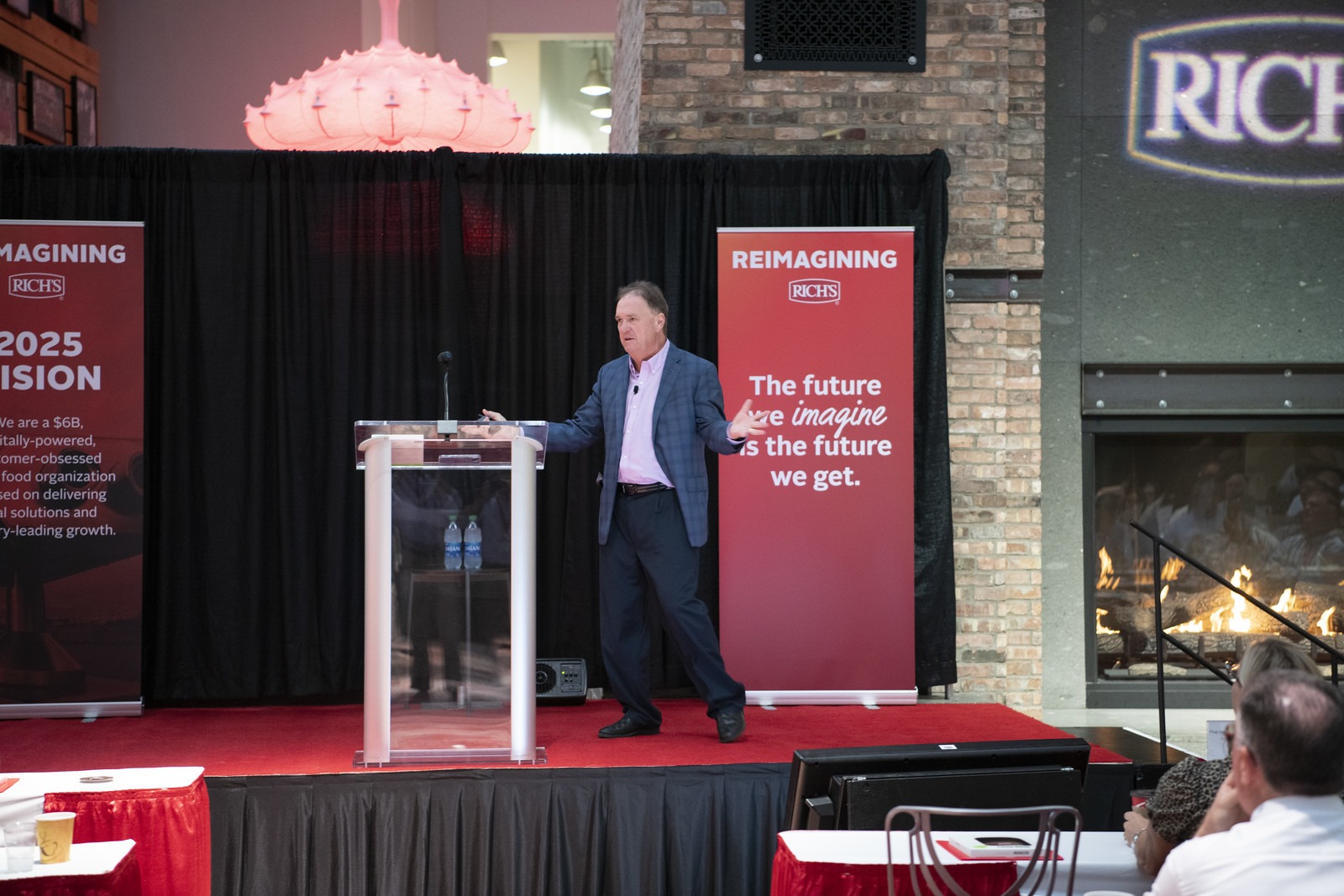
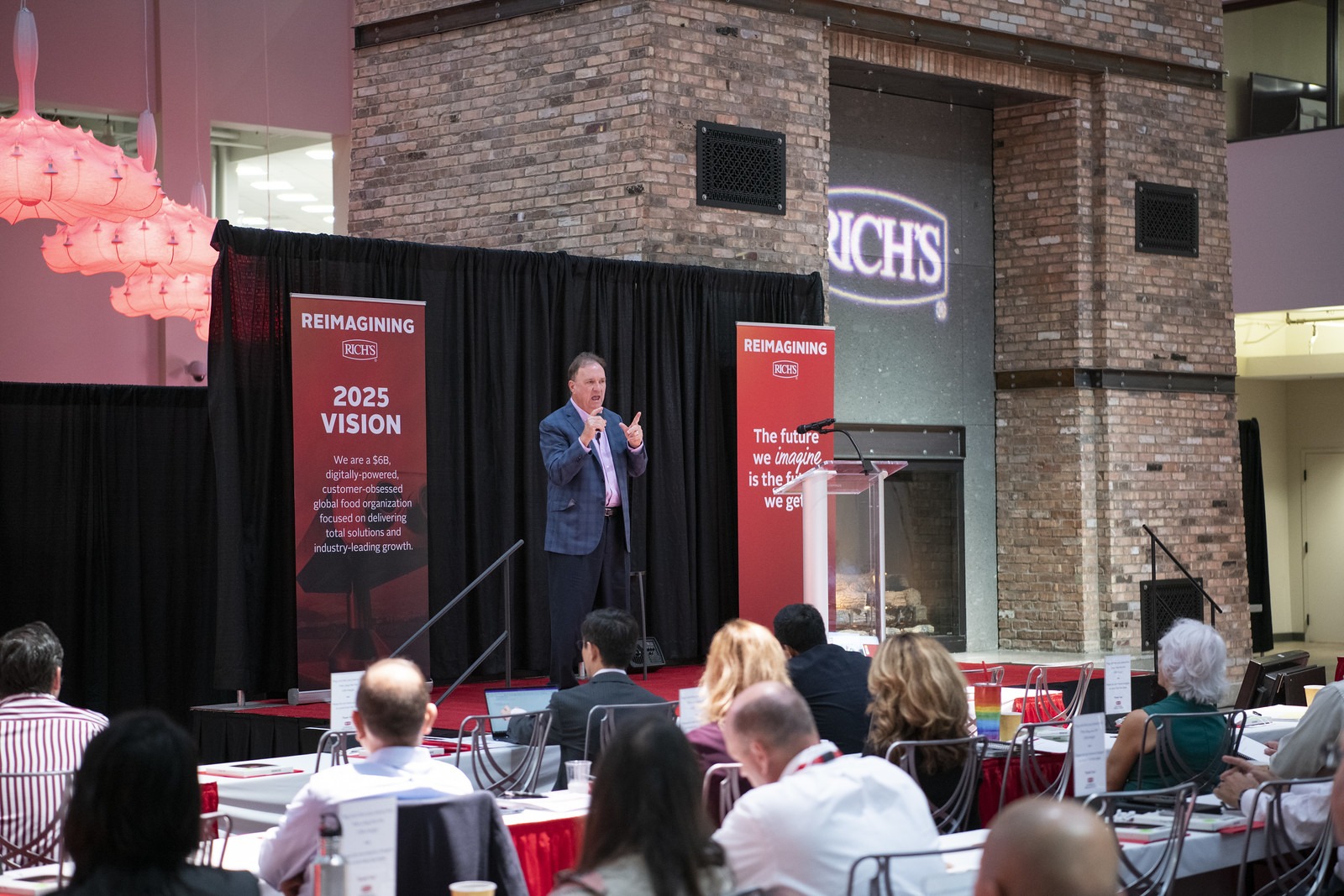
Rich Foods
The changed consumer, retail acceleration and the new operating environment.
The GAP
A senior executive group: end of inventory, consumer velocity, fulfillment and the trends reshaping the store.
Godiva / Pladis
Repeat global engagements in Europe focused on consumer behaviour, food trends, supply chain and retail transformation.
Executive leadership proof
The challenge is not simply knowing what is changing. It is deciding what to do before the change becomes obvious.
Ten trends rocking retail, consumer fickleness, hyper-innovation and avoiding price commoditization.
Digital relevance, youth purchasing habits and adapting to a hyper-velocity consumer market.
Relentless velocity, consumer attention, real-time pricing and data-driven merchandising.
Deep customization
A grocery chain, luxury brand, restaurant franchise, packaging company and pricing platform do not face the same future.
Client calls, retail reports, consumer data, market research, current news, agenda analysis, category trends and sector-specific examples. No two presentations are the same.
LISTEN → RESEARCH → MAP THE TRENDS → BUILD THE STORY → CONNECT THE ROOM → LEAVE A PLAYBOOK
These sections come from retail.jimcarroll.com, Jim’s retail industry site, migrated here with their original copy and images.
From the research archive
Other industries
Make it about your audience
Bring the event objectives, the people attending and the questions you want them discussing afterward.