It's what happens to your industry. And what you do next.
There's a 16-second video from Corporate Bro, who makes comedy out of corporate life. A speaker walks out to deliver a keynote. He says one word: “Agentic.” The audience goes wild.
His caption suggests you don't have to watch another keynote this year. He's not far off. That was pretty much every technology keynote in 2026, and I suspect it will be the keynote much of my competition delivers in 2027.
It won't be mine.
I've been reading the trend predictions for 2027. You probably have too.
Agentic AI. AI governance. Humanoid robots. Sovereign AI. Quantum computing. The future of work. The same technologies, the same buzzwords, the same breathless predictions about how everything is going to change.
They're good lists. There's nothing particularly wrong with them. But they are also, for the most part, the same list. Take the name off the top of one, put someone else's name on it, and you'd hardly notice the difference.
And here's my problem with that. Not one of those lists tells a farmer, a car dealer, a hospital executive or a manufacturing CEO what any of it actually means for the business they run.
Because that's not how the future happens.
The future doesn't arrive as a technology trend. It arrives when the economics of an industry begin to shift, when an unexpected competitor appears, when a business model that has worked for decades suddenly starts to break, or when the skills that made an organization successful yesterday aren't the ones it needs tomorrow.
That's where things get interesting. And that's what I've spent more than three decades trying to help organizations understand.
The future is an industry-by-industry proposition.
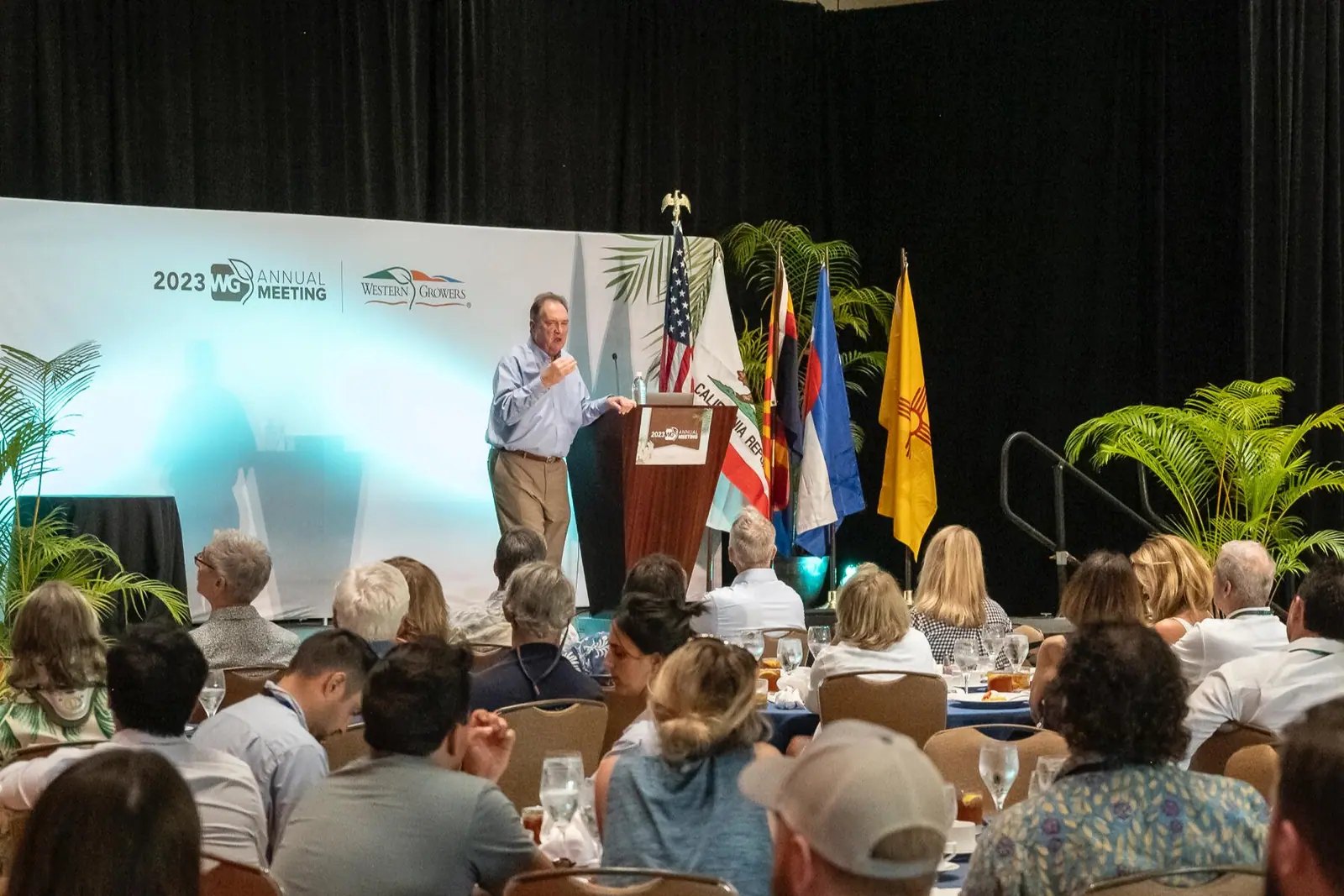
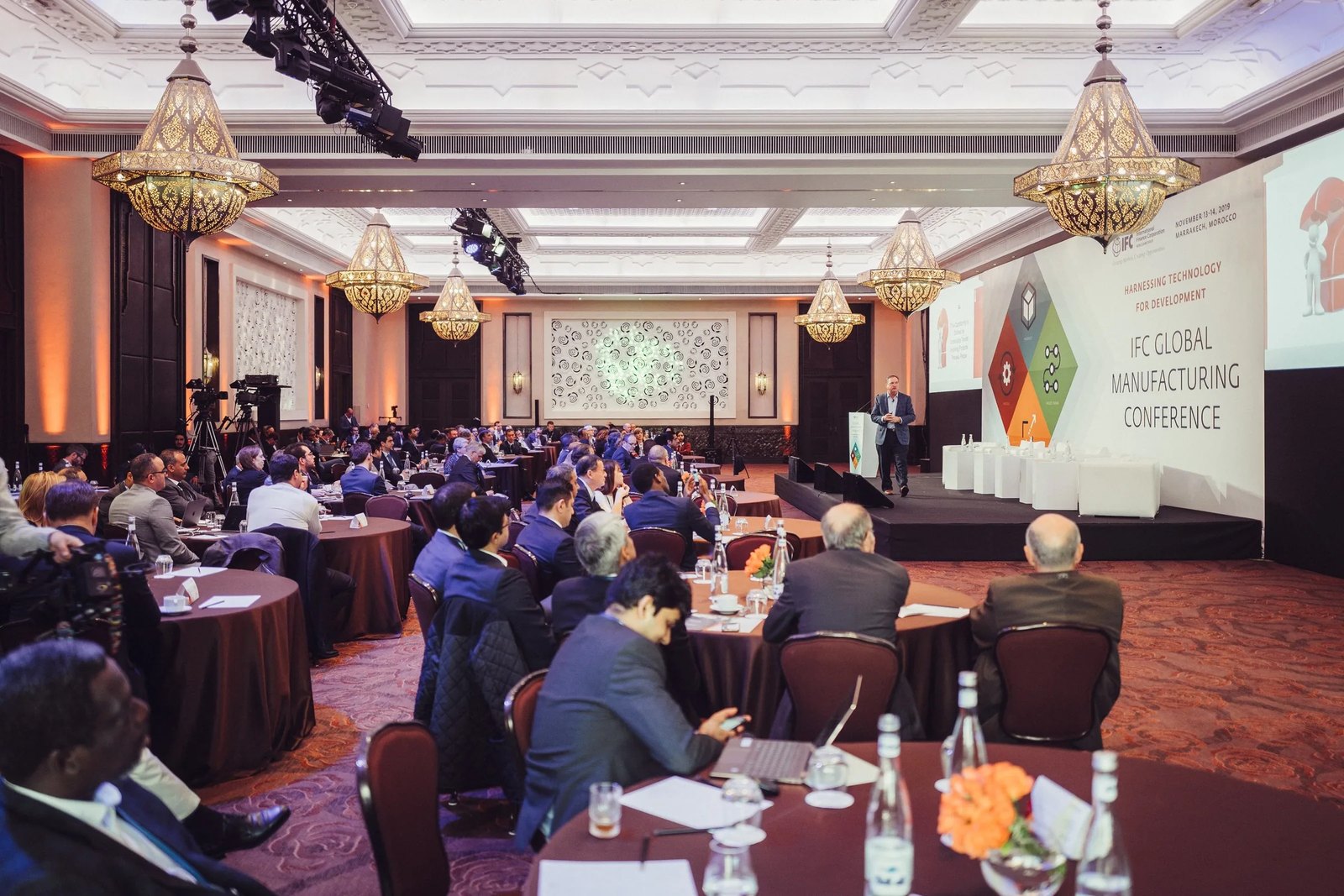
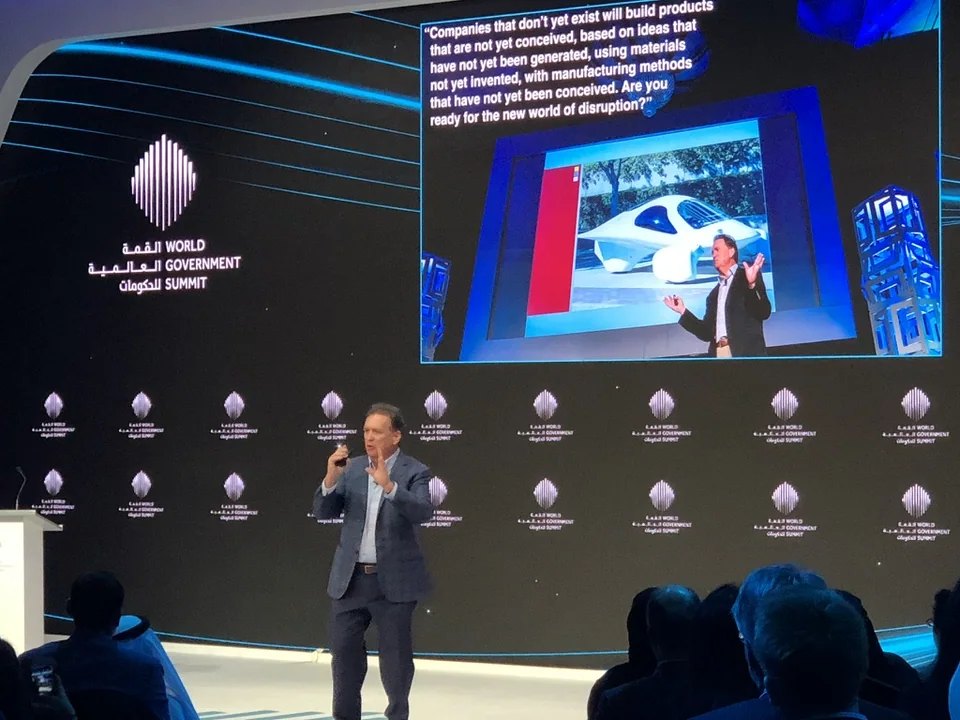
For over 30 years, I've travelled the world delivering keynotes to organizations in virtually every sector of the economy. I've spoken to farmers and financial executives, automotive manufacturers and healthcare professionals, technology companies and construction firms, government leaders and retailers. Different industries, different challenges, different opportunities.
Before I step on stage, I'll typically spend 25 to 50 hours, sometimes considerably more, researching the specific industry I'm speaking to. I dig into the changing economics, emerging competitors, shifting customer expectations, evolving business models, new skills requirements and technologies that are beginning to reshape how that industry works.
I'm trying to understand what keeps the executives in that industry awake at night, but I'm also looking for what should be keeping them awake that they might not have noticed yet.
And one thing has become abundantly clear through all that work: the most important trends are often the ones that aren't getting the most attention.
They're buried deep inside an industry, quietly changing the rules. They're happening at the edges of established markets, where new competitors are doing things differently. They're reshaping the assumptions on which entire business models have been built.
Often, by the time everyone agrees that a trend is important, the real opportunity to respond has already started to disappear.

27 industries. 81 trends. Here's where it gets interesting.
For 2027, I'm doing something a little different.
Rather than publish another generic list of the technologies that everyone should be watching, I'm going industry by industry, identifying three trends in each that I believe deserve serious attention.
Twenty-seven industries. Three trends per industry. Eighty-one predictions about what's coming next.
And I'm not limiting myself to technology. Some of the biggest disruptions will come from demographics, changing customer expectations, infrastructure constraints, new economic realities, unexpected competitors and business models that simply stop making sense.
Here are four examples of the type of thinking you'll find in the series.
Agriculture: The scarcest person on the farm isn't a picker. It's a robot mechanic.
We've spent years talking about automation replacing agricultural labour. But what happens when farms become increasingly dependent on sophisticated autonomous equipment and can't find the people to keep it running? During a critical harvest window, the most important person might not be the one gathering the crop, but the technician who can get a machine operating again.
That's an entirely different workforce challenge from the one the industry has been discussing.
Commercial Real Estate: Buildings get valued on kilowatts before square feet.
For decades, location, occupancy and square footage have dominated the economics of commercial real estate. But as data centres, electric fleets and electrified infrastructure compete for limited grid capacity, access to reliable electrical power is becoming a critical factor in property value. In some markets, a building with the right power connection could become more valuable than a larger property without one.
Think about what that does to the traditional assumptions behind real estate investment.
Government: Government gets swamped by its own citizens' AI.
We've heard endless discussion about how governments should adopt AI to improve public services. But what happens when citizens adopt it faster? Applications, appeals, complaints and information requests that once took hours to prepare can now be generated in seconds. Public agencies built around processing requests at human speed could find themselves facing an entirely different scale of demand.
The disruption might not come from the technology government installs, but from the technology its citizens use.
Professional Services: The firm loses its bottom rung.
Every professional services firm is rushing to automate routine work. Fair enough. But much of that work is also how young professionals learn their trade, develop judgment and build the experience they'll need later in their careers. What happens when organizations eliminate the very work that once developed their future leaders?
That's not simply an AI productivity issue. It's a long-term talent and succession challenge.
Four industries. Four very different futures. And that's just the beginning.
Some of my 81 predictions will involve trends that are already gathering momentum. Others will focus on developments that are emerging quietly, well outside the mainstream conversation. Some might seem a little far-fetched, but after three decades of studying how the future unfolds, I've learned that the ideas people initially dismiss are often the ones worth examining most closely.
The goal isn't to predict every detail of what will happen in 2027. That's impossible. The goal is to identify the shifts that might matter most, understand why they're happening and challenge the assumptions that might prevent organizations from responding.
But knowing what's coming is only half the challenge.
Here's something else I've learned from working with organizations around the world: you can understand every major trend heading your way and still get the future completely wrong.
You can have the best research, the most sophisticated strategic plans, and an executive team that understands exactly how its industry is changing. But if your organization remains trapped by yesterday's assumptions, an outdated business model or a culture that simply can't move fast enough, none of that knowledge will make much difference.
It's the problem I've often described as organizational inertia. Organizations become very good at protecting the systems, structures and assumptions that made them successful in the past, even when those same things are becoming barriers to their future.
That's why this industry trends series has a companion.
Alongside the 27 industry outlooks, I'm also launching 27 Leadership Strategies for Innovative Thinking in 2027. These are lessons drawn from decades of keynotes, research and conversations with organizations around the world, exploring the leadership challenges that emerge when the pace of change begins to outrun an organization's ability to respond.
We'll look at moving at startup speed, planning for the far-fetched, managing the shrinking half-life of skills, growing through volatility, overcoming inertia, building permanent agility and making innovation something that actually happens rather than something people simply talk about.
Because understanding the future and doing something about it are two very different things.
It's what happens to your industry. And what you do next.
That's the central idea behind this entire project.
I don't think the world needs another list of AI trends. There's no shortage of those, and there certainly won't be as we get closer to 2027.
What I think leaders need is a better understanding of what's changing in their world, how those changes might affect the organizations they lead, where the unexpected opportunities might emerge and what they need to do to move forward.
Over the coming weeks, I'll be publishing each industry outlook and leadership lesson as part of a growing collection at 2027.jimcarroll.com. The site will serve as a central index to both series as the individual articles appear.
I'm looking forward to sharing the thinking, the research and some of the unexpected developments I've been watching across these industries.
Because ultimately, the future isn't about the trend list somebody puts in front of you.
It's what happens to your industry. And what you do next.
— Futurist Jim Carroll