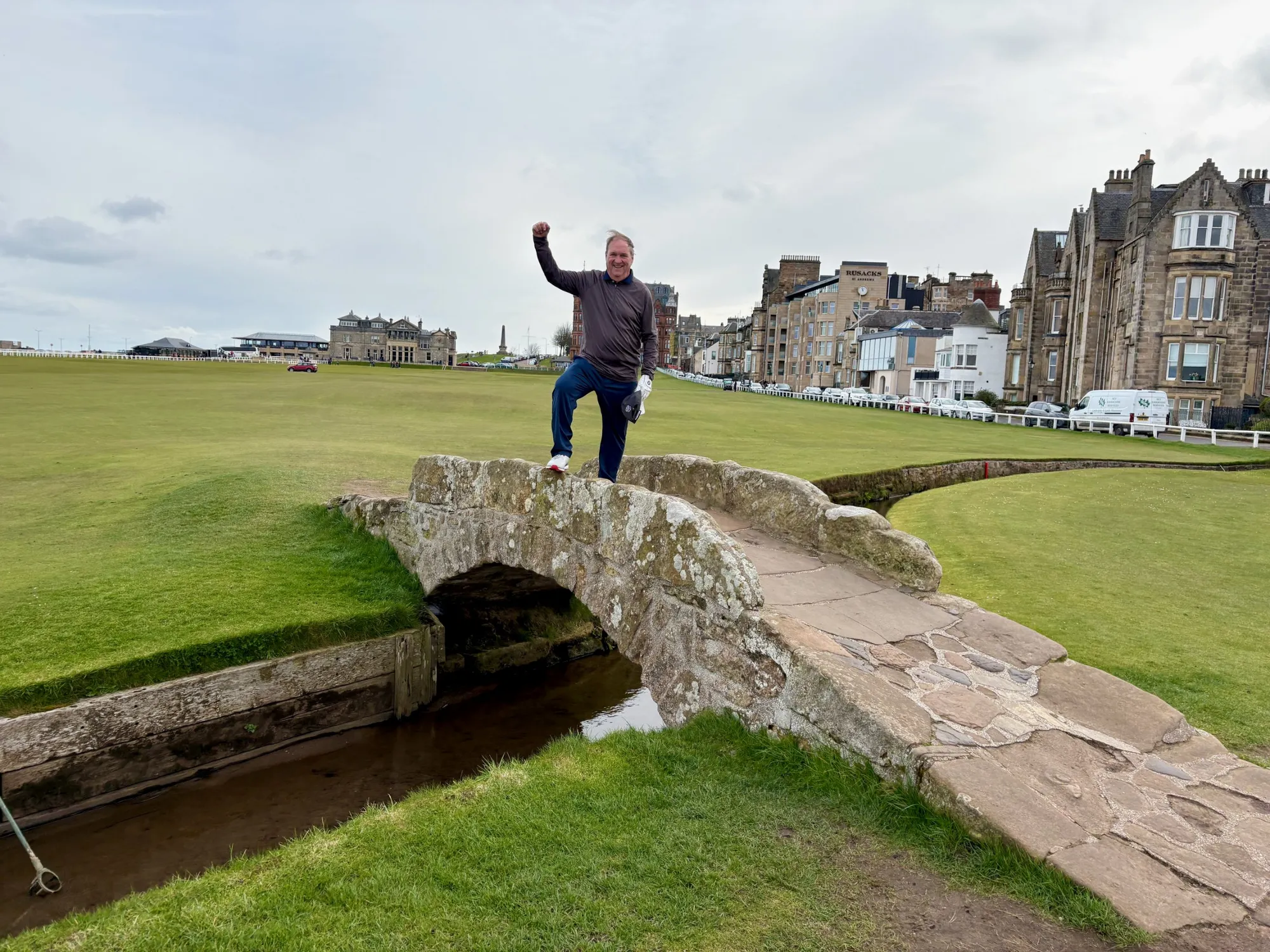
One foot planted firmly on 700-year-old Scottish stone. Right arm thrown into the cold Fife sky, the R&A Clubhouse standing watch over the 18th fairway behind me.
Exactly 128 days earlier, a very different piece of stone had nearly ended this trip before it began—when my feet vanished on snow-dusted granite steps at my chalet, slamming my lower back straight onto the rock and fracturing three transverse processes in my lumbar spine — L1, L2, L3. The bony projections off the sides of the vertebrae. Painful. Serious. And not at all what you want to be dealing with when you have a tee time at St. Andrews booked for the spring.
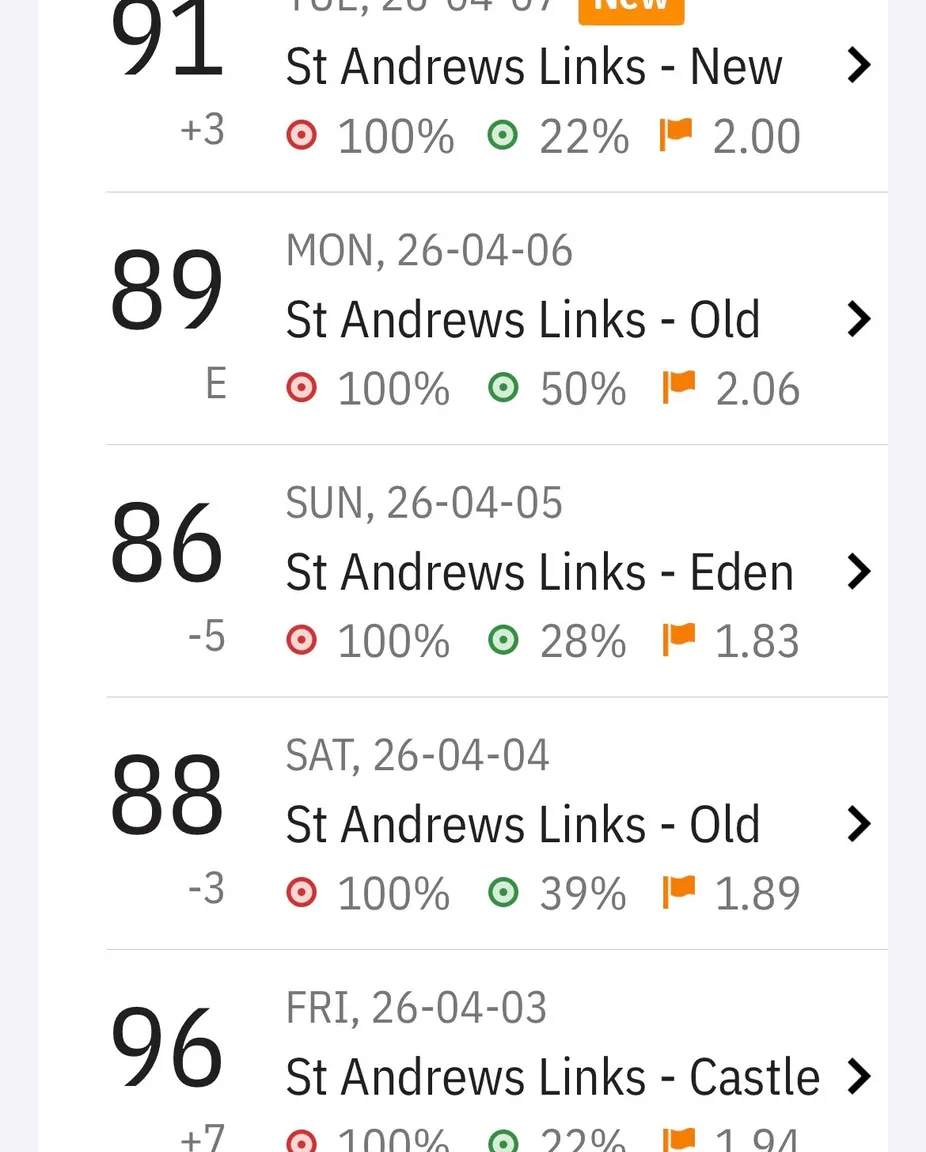
Four months later, I wasn’t just surviving St. Andrews as a fragile tourist gingerly nursing a broken spine. Over five consecutive days in April 2026, I walked five punishing links courses in a row:
Castle Course (Day 1): 96 (+7) · Old Course (Day 2): 88 (−3) · Eden Course (Day 3): 86 (−5) · Old Course (Day 4): 89 (E) · New Course (Day 5): 91 (+3)
- Friday, April 3 — The Castle Course: 96
- Saturday, April 4 — The Old Course: 88
- Sunday, April 5 — The Eden Course: 86
- Monday, April 6 — The Old Course: 89
- Tuesday, April 7 — The New Course: 91
Across all five rounds, I hit 100% of my fairways off the tee. On my second loop around the Old Course, I hit 50% of greens in regulation and walked off 18 with zero pain and zero muscle soreness. Better yet, somewhere down the back nine, I realized I hadn’t thought about my back once. The ghost of the injury wasn’t even in the room.
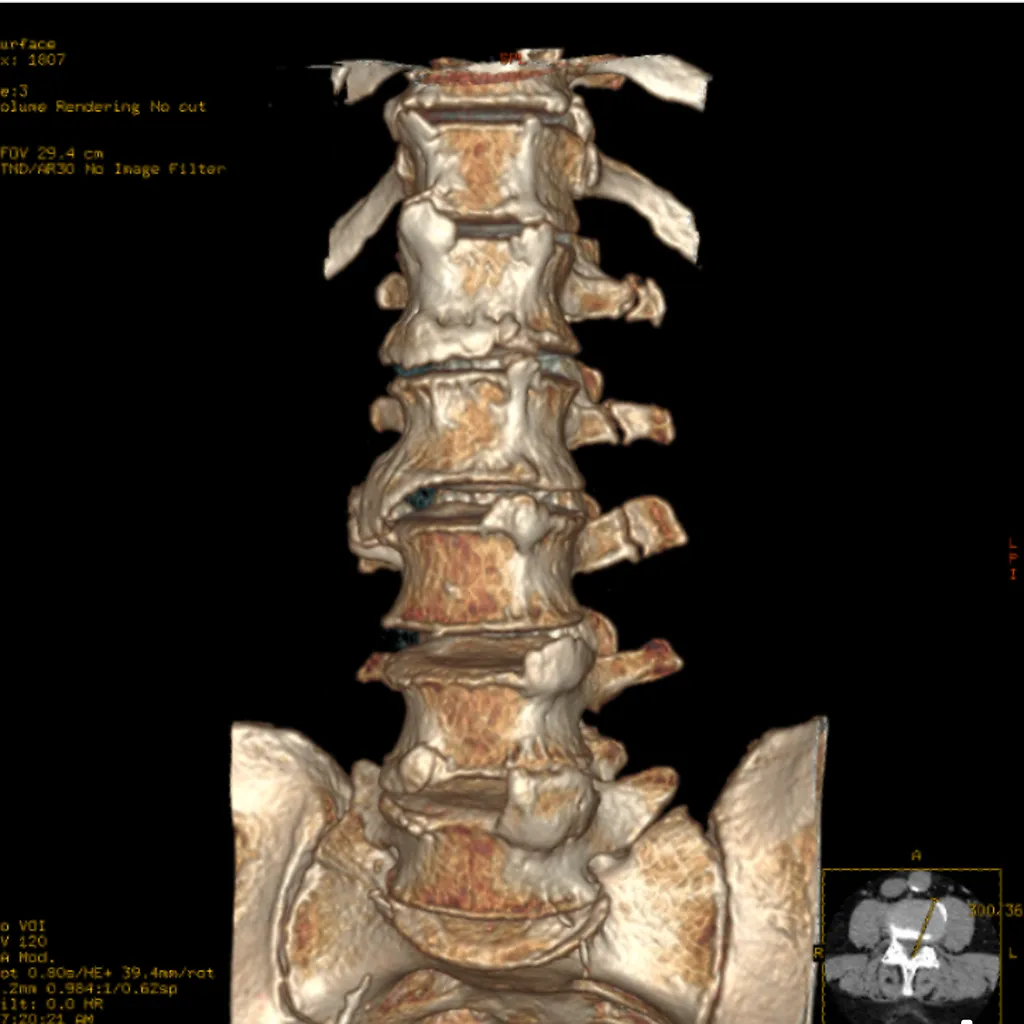
What makes that scorecard almost unbelievable is what my spine looked like just 18 days before I teed it up in Scotland.
On March 16, 2026, a 3D volume-rendered CT scan at Guelph General Hospital showed three unmistakable fracture lines slicing through the transverse processes of my L1, L2, and L3 vertebrae. The radiology report carried four words designed to cancel any bucket-list trip on the spot: “no significant bony union.”
One year ago, that violent fall down the chalet steps fractured three transverse processes in my lumbar spine. Over the 365 days since, I have walked nearly 2,000 kilometers, logged 47 strength sessions, survived five days at St. Andrews, played 120 pain-free rounds of golf, and am now training for the 2026–2027 ski season.
That didn’t happen because I sat in a chair and hoped to heal. It happened because I treated my recovery as an engineering problem—and brought AI in as my daily co-pilot.
And here is the twist that makes this anniversary so surreal for me: I have been predicting this exact moment for nearly thirty years.
* * *
Act I: 1997 — The Morning I Met the “Online Patient”
To understand what happened to me over the last twelve months, you have to go back to a cold January morning in 1997.
At 8:30 a.m., I was sitting in my home office doing a live interview on a Winnipeg AM radio show. Mid-sentence, my mouth suddenly felt like I had just taken a shot of Novocaine at the dentist. By 9:00 a.m., my eye was drooping and the entire left side of my face was tingling. By 9:30 a.m., I suspected I was coming down with Bell’s palsy.
I called my family doctor and booked an appointment for 6:00 p.m.. Then I did something almost unheard of in early 1997: I dialed onto the Internet.
Over the next four hours, I combed through Yahoo! (which returned exactly two links), ran an AltaVista query (400 pages), read clinical notes from the University of Chicago Primary Care Group, and stumbled into the Massachusetts General Hospital Neurology Web Forum. By 5:00 p.m., I was trading emails with five other people around the world who had been diagnosed with the exact same condition that week.
Later that year, my co-author Rick Broadhead and I turned that experience into a book: Good Health Online: A Wellness Guide for Every Canadian. In it, I wrote about what happened when I finally walked into my doctor’s office that evening:
“For me, the magic of the information age comes from my ability to gather knowledge just in time and just when I need it on any topic I am confronted with… I finally visited my doctor at 6 p.m. and was able to ask him some pretty blunt, pointed questions, thus turning my visit away from the typical one-way overview into a two-way conversation. I knew enough to ask the right questions, but enough not to be arrogant with my findings.”
Writing that book opened my eyes to a structural earthquake that most of the medical establishment couldn’t see coming. In Chapter 4, looking ahead at an aging baby boomer generation colliding with a strained healthcare system, we wrote a warning that feels eerily personal at age 67: “Self-help will no longer be an option; it will become a necessity!”
In Chapter 9, we laid out the new rules of the exam room: “Both the health care profession and the patient must learn to cope with the fact that the Internet-informed patient may be more knowledgeable and up-to-date on a specific medical issue than his health care professional.” Right alongside it, we put the guardrail that still governs everything I do today: “Respect your health care professional. Never forget that he/she is the professional and that you are not.”
* * *
Act II: Thirty Years on the Global Healthcare Stage
That single Bell’s palsy diagnosis didn’t just produce a book—it launched a three-decade career advising the world’s largest healthcare, pharma, and medical associations on the future of medicine.
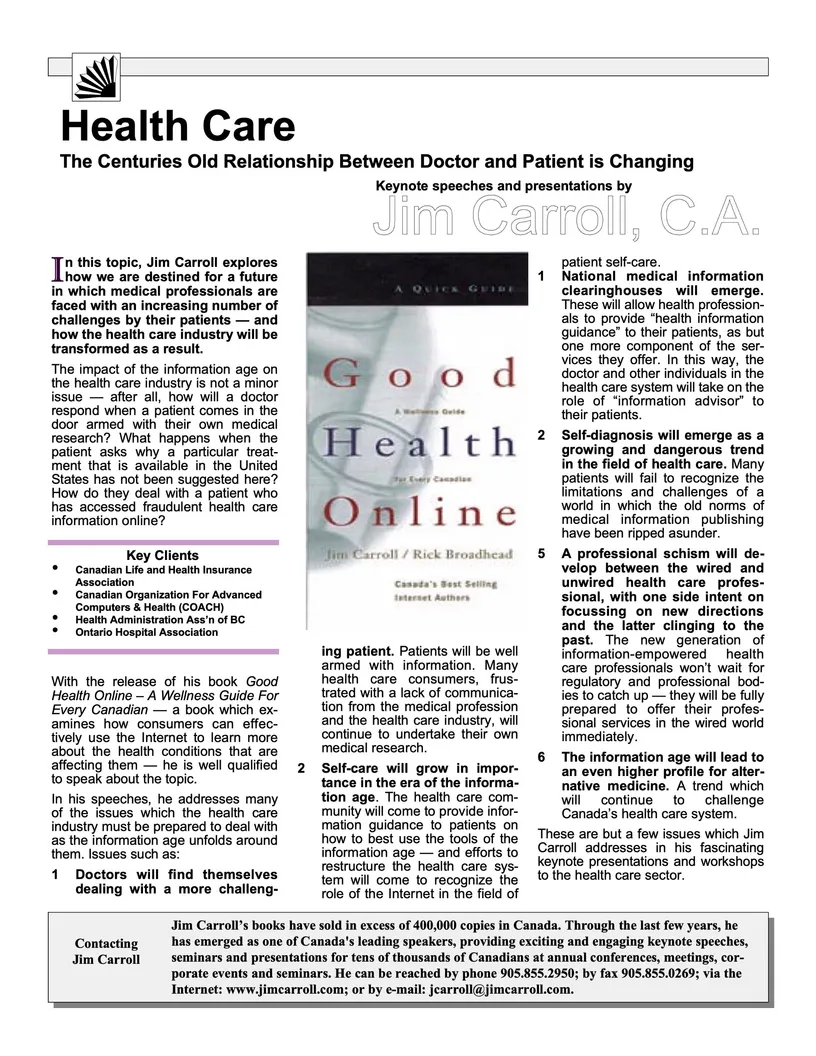
By the early 2000s, my speaking brochure carried a headline that raised plenty of eyebrows in medical boardrooms: “Health Care: The Centuries Old Relationship Between Doctor and Patient is Changing.” I took that message to the Ontario Hospital Association, COACH (Canada’s Health Informatics Association), the Health Administration Association of BC, and the Canadian Life and Health Insurance Association—warning of an emerging “professional schism between the wired and unwired health care professional” and arguing that doctors would increasingly serve as “information advisors” to empowered patients.
In December 2008, in the teeth of the global financial crisis, I stood on stage in Washington, D.C., as the closing keynote speaker for the 4th Annual World Healthcare Innovation & Technology Congress. My message to the room wasn’t subtle: “Folks, you need to wake the hell up, focus on opportunity, and seize the health care innovation agenda.”
In that keynote—and the Healthcare 2020 predictive piece that followed—I laid out a future defined by three forces that sounded like science fiction to many in the room:
- The Triumph of Device Intelligence: A world where our “personal area network” captures “huge chunks of intelligence from our daily health interactions.”
- Computational Analytics: Aiming “complex analytical algorithms with massive computing horsepower” directly at health challenges.
- A Culture of “Just-In-Time Knowledge:” Replacing one-time medical knowledge delivery with continuous, high-velocity learning.
Over the years that followed, I carried that thesis onto stages for Pfizer in Paris, Johnson & Johnson, Philips (where I argued that “the most important medical device in the future may not be in a hospital at all”), McKesson, Blue Cross Blue Shield, the Canadian Medical Association, Roche Diagnostics, and 500+ leaders at the American Association of Orthopaedic Executives.
In July 2025, I published Megatrend #10: Predictive and Preventative Healthcare, describing a near future where a Personal “Health AI” agent coaches individuals in real time by fusing wearable data with clinical insight.
Four months later, gravity stepped in and made me my own test case.
* * *
Act III: November 27, 2025 — Enter the “AI Patient”

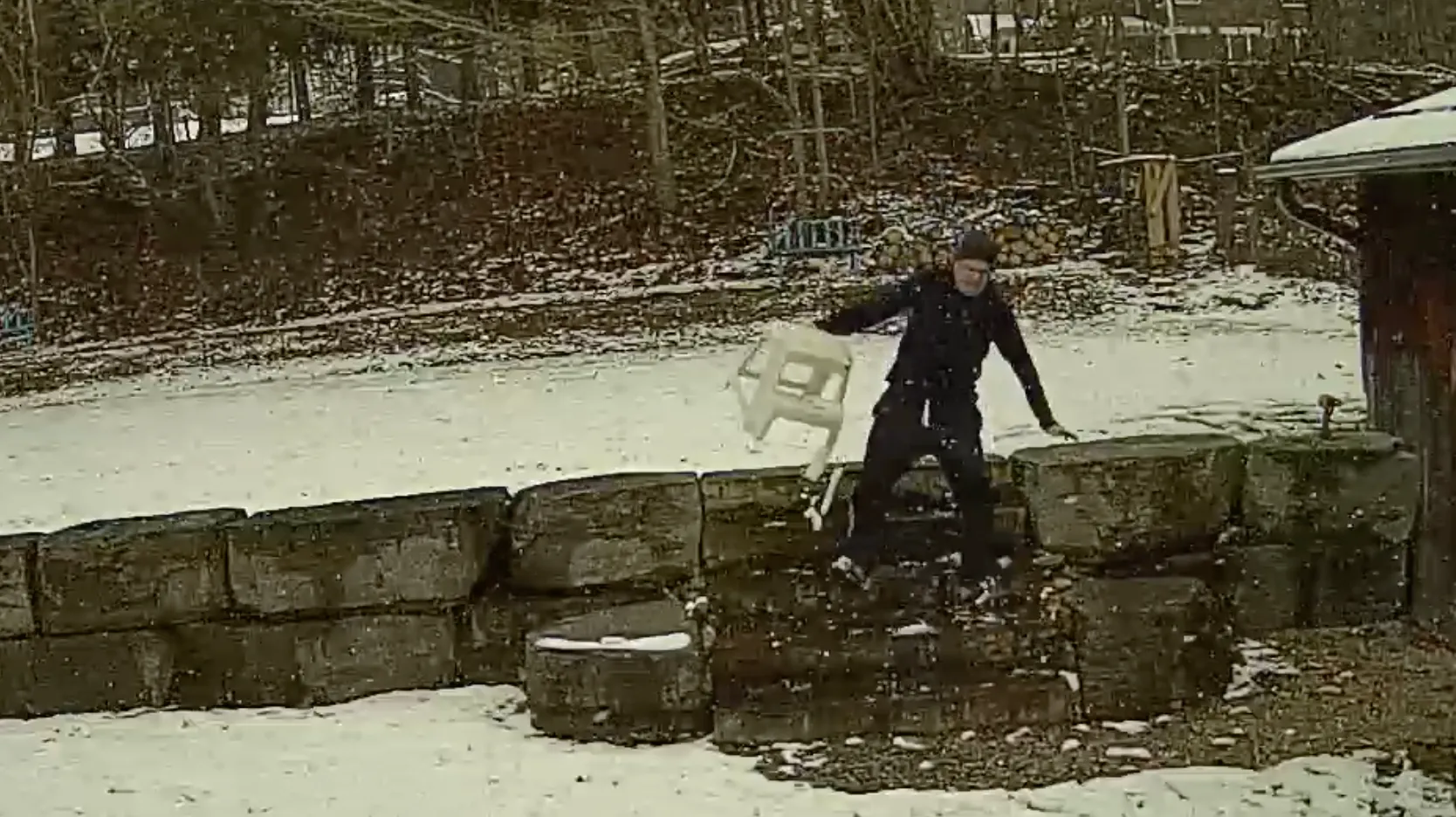
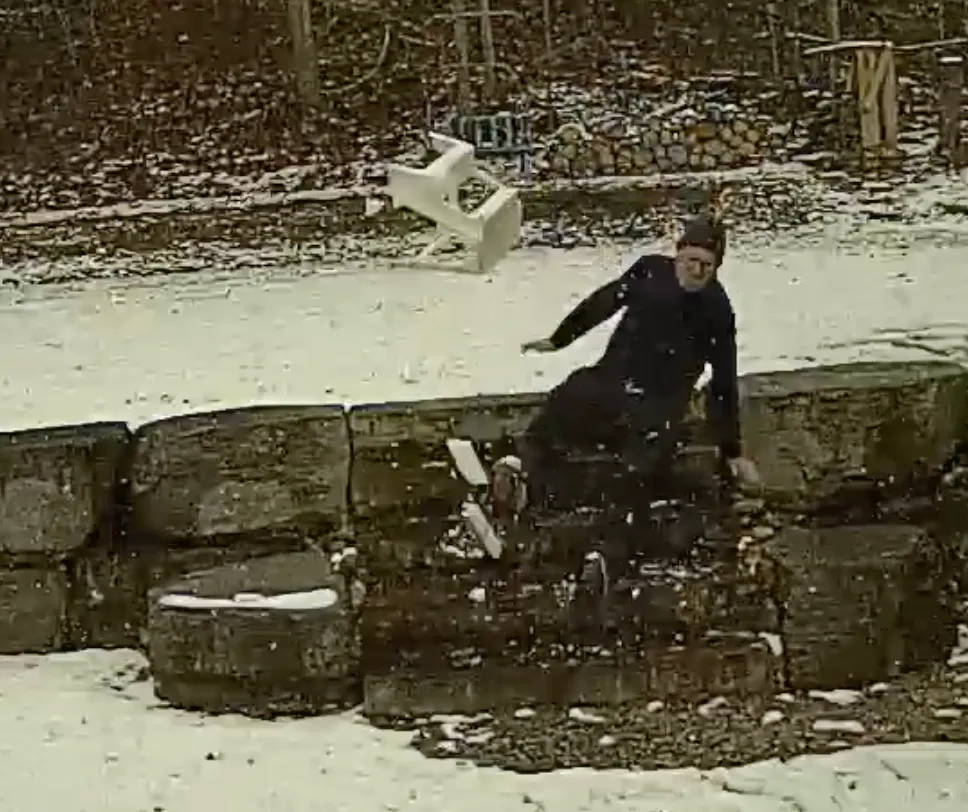
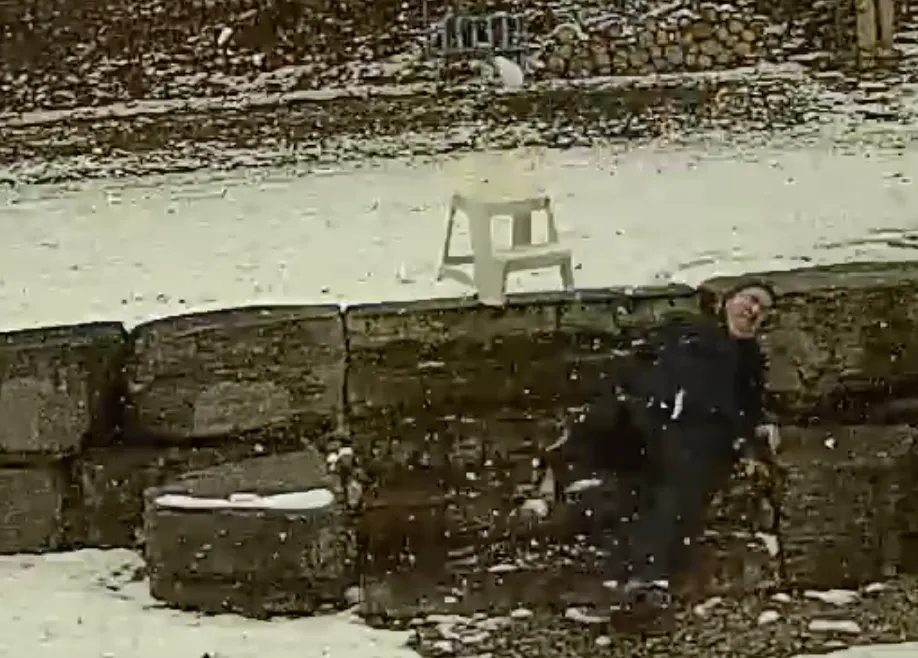
A note of warning: the security camera footage of the fall is not easy to watch. If you have a weak stomach — or if you are simply not ready to see what three fractured transverse processes actually look like in real time — you may want to skip this.
▶ Watch the fall on YouTube — full security camera footage, November 27, 2025.
You don’t need much imagination to read those four frames. One second I was carrying a white plastic step stool across snow-dusted stone steps at the chalet; the next, both feet vanished out from under me. The stool launched into mid-air—sticking a comically perfect upright landing on the retaining wall behind me—as my lower back slammed directly onto the granite.
In Good Health Online back in 1997, Dr. Karen Breeck had warned me: “Denial of a medical problem being serious is the hallmark symptom of many of life’s most serious conditions.” Twenty-eight years later, I proved her right. At 7:53 a.m. the very next morning—November 28—I laced up my shoes and walked 5.25 km along Highway 26 in pure denial.
Then reality caught up. A trip to the Collingwood ER delivered the verdict: three mildly displaced fractures to the transverse processes of L1, L2, and L3.
That was the moment the 1997 Online Patient evolved into the 2026 AI Patient.
(A shoutout to my good friend Lise Craig who drove me to Emergency and stayed with me throughout — and somehow kept me calm as the Doctor started using the phrase 'spinal injury!')
In 1997, the revolution was access—searching static web pages on AltaVista. In 2025, the revolution was synthesis and telemetry. Keeping my spinal specialists and physiotherapists firmly in the driver’s seat as the clinical authority, I turned Gemini into a daily biomechanical co-pilot. I fed it my medical reports, my movement constraints, my Apple Watch / Strava logs, and eventually my Fitbod gym workouts—building a closed feedback loop where every step was tracked and audited.
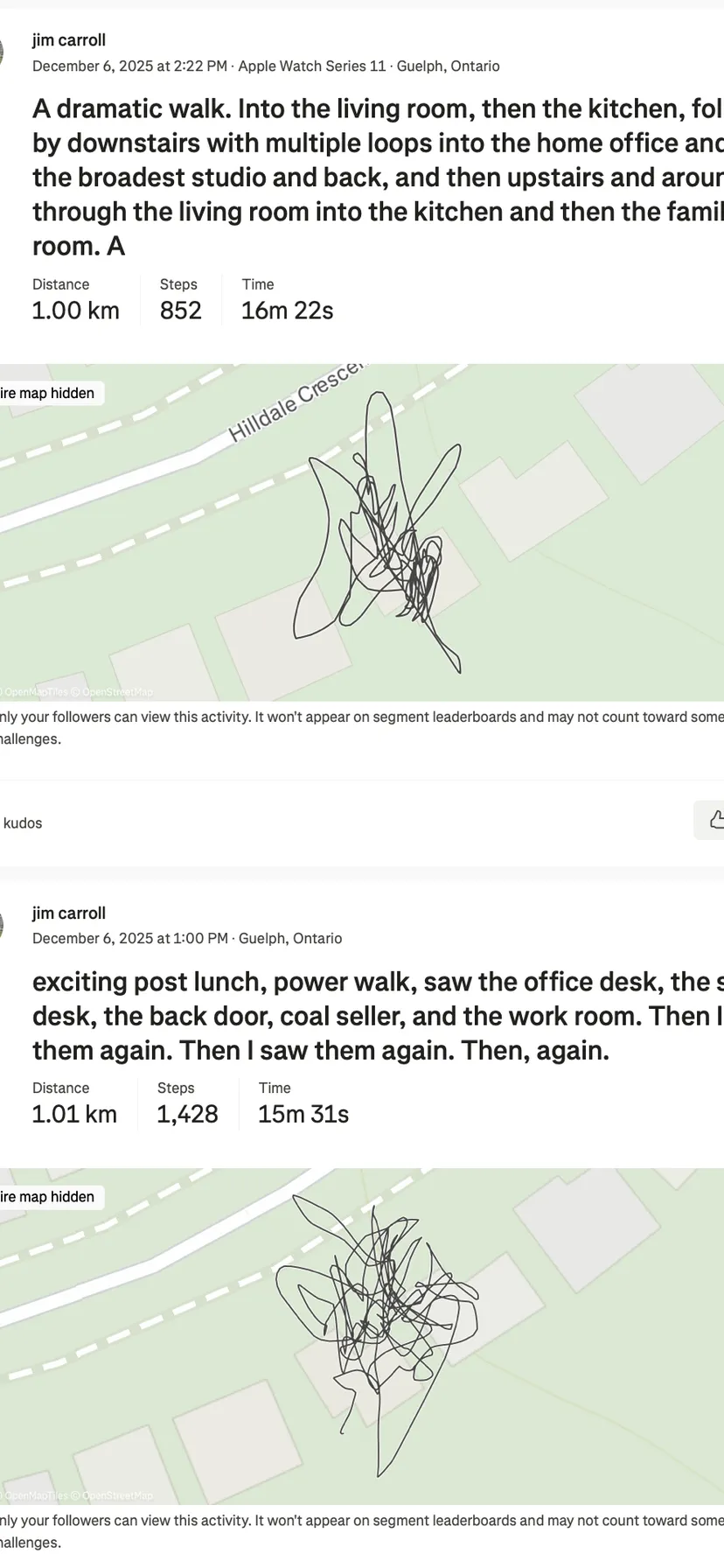
My Strava data from those first nine weeks tells the real story of what “engineering the outcome” looks like when nobody is watching:
- Day 2 (Nov 29, 2025) — Ground Zero: “Day 1 - Living Dining Circuit.” Distance: 0.25 km. Time: 8 minutes, 26 seconds.
- Days 2–10 (Nov 29 – Dec 7) — The House Track: I logged 39 indoor walks totaling 25.33 km without leaving the house. On December 1, I titled a 0.50 km loop: “I now have the officially most boring Strava. However, the fact I can Strava in the midst of this mess is a wonderful thing. I’ll take it!” By December 6, I was grinding out 7.00 km in a single day looping past the living room, kitchen, office desk, studio, and basement. Including four extra afternoon house loops the following week, I walked 29.33 km inside my own home across 43 sessions.
- Day 11 (Dec 8) — Mall Graduation: “I have graduated to shopping malls!!!!” Over the next ten days, I logged 9 mall walks totaling 39.65 km—including a December 16 entry: “Mall cops put up a rope to prevent early walkers. Went under. RESIST! Claim back our rights! RESIST!!!!!!”
- Day 21 (Dec 18) — Real Air: My first walk outside—1.31 km: “I got outside!!!! for a walk!!!!! like, in the teal outdoors!!!!! with real air.” A week later, on Christmas Day (Day 28), I hit 5.18 km outdoors and wrote: “Longest outdoor walk since November. My relationship with gravity has changed.”
- Day 65 (Jan 31, 2026) — Back in the Gym: “First time back in the gym - Careful routine - Fitbod - Quadriceps, Back, Chest, Triceps.”
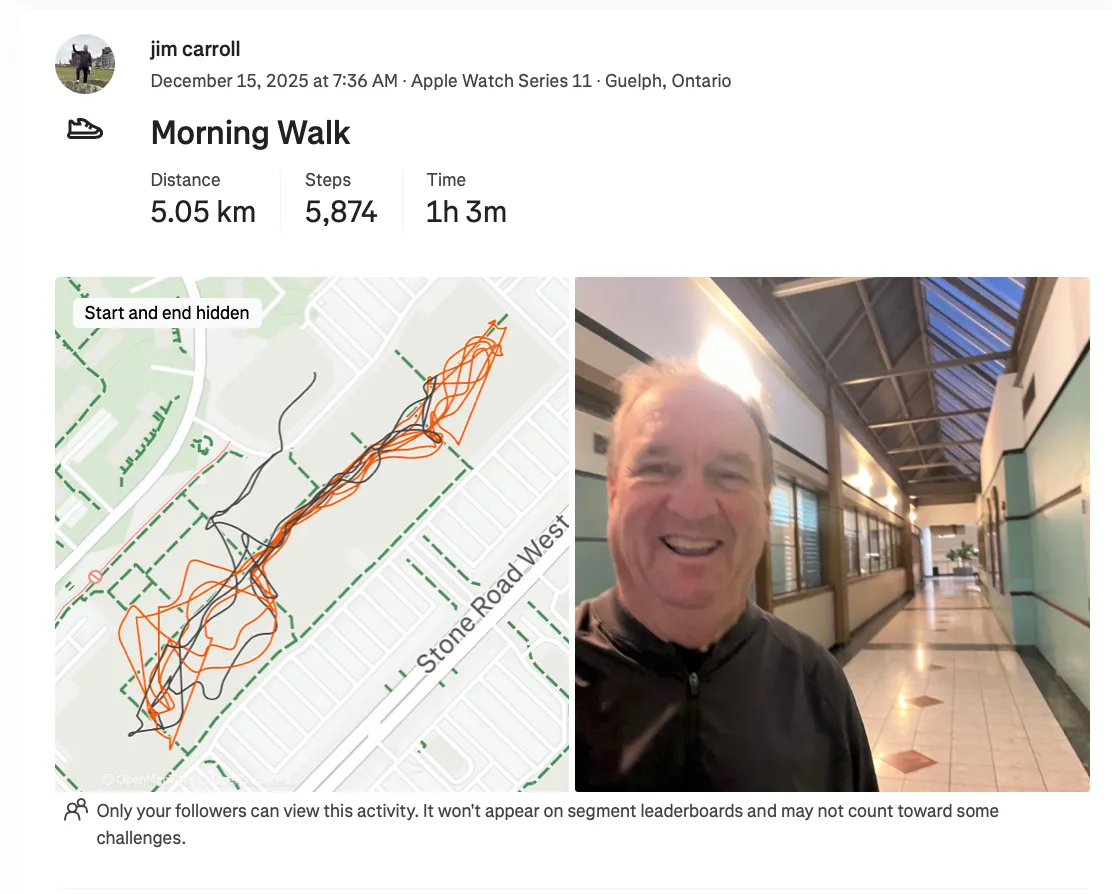
In the gym, AI helped enforce strict guardrails—starting in a careful “recovery mode” that avoided early spinal shear, then methodically progressing into machine work, heavy cable resistance, Pallof presses, and stabilization holds to build an “internal corset” around the injury. When my spinal specialists and physiotherapists reviewed the AI-assisted routine, they confirmed it was remarkably accurate.
Then came the ultimate test of nerves: the March 16, 2026 CT scan showing “no significant bony union.”
In the old model of passive healthcare, a frightening sentence like that ends the conversation and cancels the plane tickets. Instead, I used AI to unpack the biomechanics of a fibrous union—learning the critical difference between what a static radiological image looks like and what a dynamically braced, heavily conditioned spine can actually tolerate. Correlating the medical scan against my real-world gym numbers gave me the clarity to trust the engineering.
* * *
Act IV: 128 Days to the Bridge, 365 Days to the Slopes
Eighteen days after that scan—and 128 days after hitting the stone steps—I stood on the first tee at St. Andrews.
Five rounds in five days. Scores of 96, 88, 86, 89, and 91. Every single fairway found. Zero pain. Zero soreness.
And the St. Andrews trip wasn’t the finish line—it was just the launchpad. Between November 29, 2025 and October 28, 2026, my Strava export tells the tale of a chassis that didn’t just recover, it leveled up:
- 435 walks logged
- 1,970.86 km walked (457 moving hours, peaking at 246.29 km in May 2026)
- 47 Fitbod strength sessions (34.5 hours)
- 120 rounds of golf played in 2026 with zero pain and zero setbacks
Now, one year after the fall, the AI-assisted blueprint isn’t being retired—it’s simply pivoting. Golf was a test of high-speed rotational torque; alpine skiing is a test of vertical compression and shock absorption. My gym plan is already shifting toward eccentric goblet squats, heavy farmer’s walks, Bulgarian split squats, and lateral lunges to get the engine ready for the 2026–2027 ski season.
* * *
Act V: What This Means for Healthcare—and for You
If you lead a hospital, a pharma company, a clinic, or a health tech organization, pay attention to what just happened over the last 365 days—because I am not an outlier. I am your next patient.
The “Dr. Google” era is officially over. Patients are no longer walking into exam rooms clutching 100 pages of questionable AltaVista printouts. They are arriving with longitudinal wearable telemetry, structured workout histories, and AI co-pilots that have already translated their radiology reports and cross-referenced their functional capacity.
Just as I wrote in 1997, AI will not—and must not—replace the clinical judgment of doctors and specialists. But the organizations and clinicians that welcome this new level of personal agency as a two-way partnership, rather than fighting it as a threat, will define the next decade of medicine.
And if you’re not in healthcare—if you’re simply staring down a setback, an injury, a scary diagnosis, or a seemingly impossible timeline of your own—take this from someone who spent December pacing circles around his own living room:
A bridge is meant to be crossed, not lived on. Don’t sit on the sidelines waiting to be rescued. Gather the data, build the blueprint, put in the unglamorous daily reps, and trust the engineering.
Your future won’t be defined by the setbacks that sideline you, but by what you decide to do with the velocity of your recovery.
If you work hard enough, you’ll cross the bridge when you come to it!