It's what happens to your industry. And what you do next.
I've been thinking about some of the leadership meetings and keynotes I've delivered over the years. The organizations, the executives, the challenges they were facing and, in particular, the advice I was sharing about how to innovate in a world changing faster than most people expected.
And something interesting has occurred to me.
A lot of the things I was talking about ten, fifteen and even twenty years ago have suddenly become extraordinarily urgent as we head into 2027.
The lessons weren't wrong then. Many of the challenges I was identifying were already beginning to reshape industries, disrupt business models and force organizations to rethink how they operated. But back then, much of the conversation was about preparing for what might happen next. Today, we're dealing with what is already happening.
That's why I've decided to revisit some of those lessons.
The leadership challenge hasn't changed. The urgency has.
Over more than three decades, I've spoken at leadership meetings, executive retreats and industry conferences around the world. From Tokyo to Dubai, London to New York, Marrakesh to Muscat, I've worked with audiences confronting new technologies, shifting customer expectations, unexpected competitors and the accelerating obsolescence of skills.
Through all those experiences, I've kept coming back to one observation: the biggest barrier to the future often isn't a lack of awareness about what's coming. It's the inability to do something meaningful about it.
Organizations can be remarkably good at studying change while being remarkably slow at responding. They establish committees, develop strategic plans, launch pilot projects and hold meetings about innovation. And then, all too often, return to doing exactly what they've always done.
I've called this organizational inertia for years. It's the gravitational pull of yesterday's success, and it remains one of the biggest obstacles to tomorrow's opportunities.
The problem is that the world isn't waiting for organizations to become comfortable with change.
27 leadership lessons. Four examples.
I've gone back through my keynote history and selected 27 leadership lessons that seem particularly relevant for 2027. Each is connected to an actual keynote or leadership event, and each addresses an issue that has acquired a new sense of urgency.
Here are four examples.
1. Startup speed: Your size is no excuse for being slow.
When I addressed senior leaders at DuPont, the challenge was fascinating: how does an organization with two centuries of scientific expertise and innovation operate with the urgency of a startup?
It's even more relevant today, when emerging competitors can experiment, develop products and challenge established markets at extraordinary speed. But telling a large organization to move faster is easy. Making it happen amid complex operations, regulations and financial pressures is another matter entirely.
The lesson isn't that large organizations need to become startups. It's that they need to combine the advantages of scale with the ability to experiment, learn and respond quickly.

2. Skills half-life: Your people are learning for jobs that are already changing.
At the WorldSkills Leaders Forum, I explored the rapidly shrinking half-life of a skill. The tools and knowledge people were learning could become outdated faster than traditional education and training systems could accommodate.
Today, organizations are confronting labour shortages while trying to understand how AI, automation and other technologies might reshape their workforce. And many don't have unlimited training budgets or the luxury of taking employees away from their everyday responsibilities.
Fair enough. But the answer can't be to ignore what's happening.
Encourage your people to follow professional communities, participate in discussions, attend demonstrations and experiment with accessible tools. You don't need an expensive retraining program to begin preparing for tomorrow.
Increasingly, the most valuable skill your organization might possess is the ability to learn new skills.
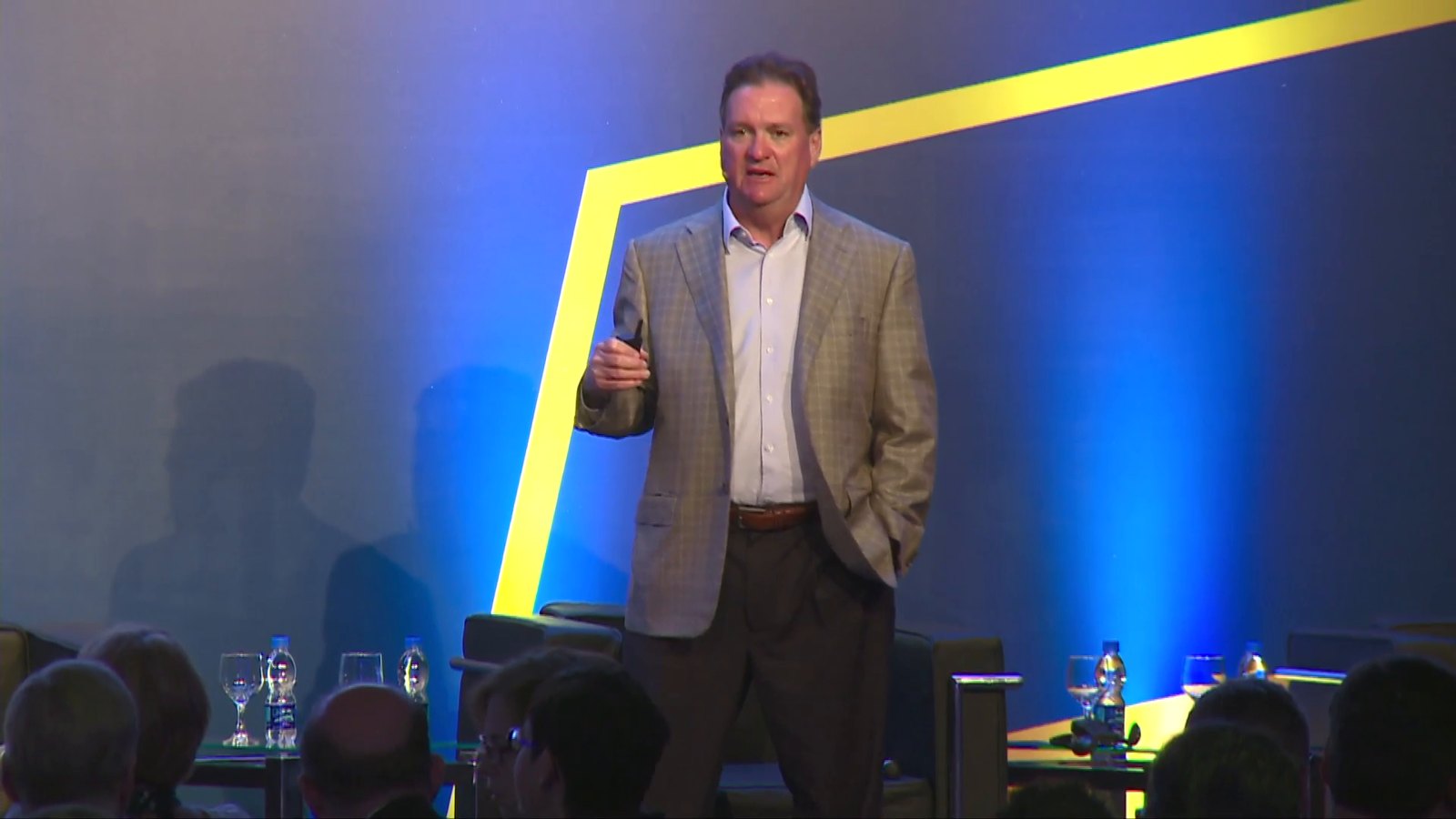
3. Legacy as asset: Your history is impressive. Your future isn't guaranteed.
I delivered a keynote at Nikon's 100th anniversary celebration in Tokyo, an extraordinary occasion recognizing a remarkable history of technological achievement.
But my message wasn't really about the previous hundred years. It was about what the organization would need to do next.
Because a century of success doesn't guarantee another decade of relevance.
Established companies possess valuable expertise, customer relationships and infrastructure. But those strengths can become liabilities when they encourage leaders to protect yesterday's business model rather than explore tomorrow's possibilities.
The challenge isn't to abandon your legacy. It's to use it as the foundation for reinvention.
Your past should be a foundation for your future, not an anchor that holds you back.
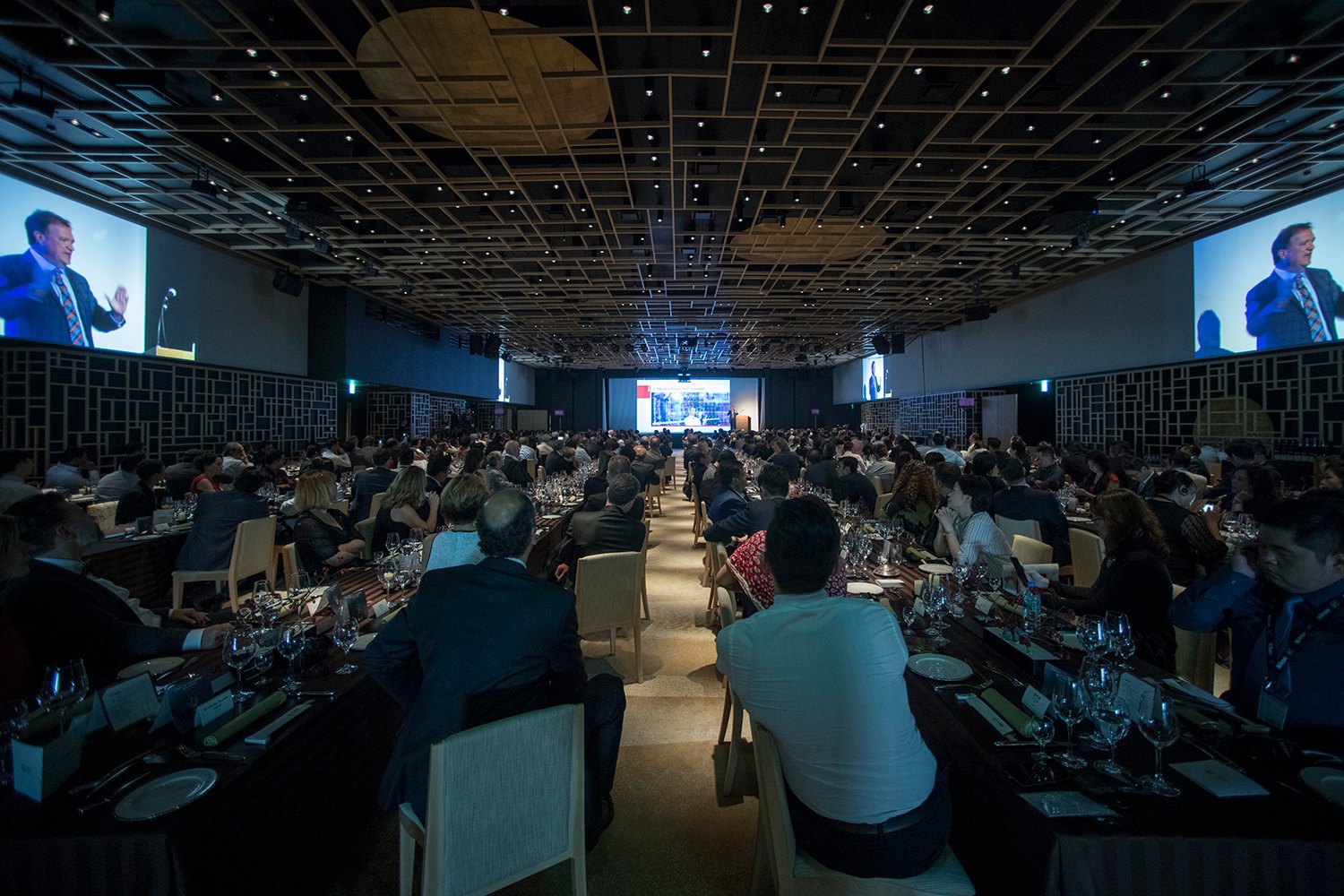
4. Speed over caution: The safest decision might now be the riskiest one.
In a keynote for Deloitte, I explored what happens when the pace of change begins to outrun the speed of organizational decision-making.
For years, leaders were rewarded for caution: study the options, build consensus, minimize risk and wait until the evidence is clear. That made sense when markets and technologies changed at a more manageable pace.
But what happens when the cost of waiting becomes greater than the cost of making a mistake?
I'm not suggesting abandoning prudent decision-making. Financial pressures, regulatory requirements and uncertain markets demand caution. But there's a difference between being cautious and being paralyzed.
You can investigate emerging technologies, build relationships, develop practical experience and run small experiments without betting the company.
The leadership challenge is to know when caution is protecting your organization—and when it's holding you back.

The future doesn't disappear because the present is difficult.
These are four lessons from four different stages. There are another 23 I'll be exploring, from growing through volatility and building permanent agility to rethinking competition, developing partnerships and making innovation actually happen.
And I recognize the realities leaders are dealing with today: cost escalation, labour shortages, trade uncertainty, supply-chain disruptions, geopolitical volatility and unpredictable markets. For many organizations, simply keeping up with current demands is difficult enough.
It's tempting to put the future on hold.
That brings me back to a theme I've explored for years in Dancing in the Rain. We can't control all the volatility around us, but we can control how we respond. We can become consumed by today's challenges, or we can acknowledge them while continuing to prepare for tomorrow.
The future doesn't disappear simply because the present has become difficult.
And that's why these lessons matter now.
What should you do now — and into 2027?
Every article in this series will include practical suggestions for what leaders can do with the ideas. Not massive transformation programs, but realistic steps that acknowledge today's pressures while preparing for tomorrow.
Here are five ways to begin.
1. Challenge three assumptions about your business. What are you still doing because it's always worked? Identify assumptions about your customers, competitors or operations that might become less reliable. You don't have to abandon them immediately, but you should begin questioning them.
2. Spend time with the people building tomorrow. Follow researchers, startups, innovators and professional communities working on developments that could affect your organization. Join discussions, attend demonstrations and learn enough to distinguish a passing fad from a genuine opportunity.
3. Start one small, affordable experiment. Pick an emerging technology, idea or process worth investigating. Find a low-cost way to explore it, whether that's testing a tool, visiting another organization or trying a new workflow. The goal is to learn, not to make a massive investment.
4. Revisit an idea that never moved forward. Every organization has initiatives that became trapped in committees, planning exercises or endless discussion. Pick one and determine whether to move it forward, reshape it or abandon it. Start closing the gap between knowing and doing.
5. Make tomorrow a regular leadership agenda item. As you move into 2027, set aside time to review emerging trends, share what your people are learning and discuss where opportunities might develop. Make preparation for the future an ongoing habit rather than an occasional strategic exercise.
None of this requires a massive financial commitment. It requires curiosity, discipline and a willingness to challenge assumptions.
You don't need to change everything today. But you do need to start preparing for what comes next.
It's what happens to your industry. And what you do next.
This series goes hand in hand with another project I'm launching: Trends 2027: 27 Industries, 81 Trends. That series explores what's changing across individual industries. This one looks at the leadership capabilities needed to respond.
Because knowing what's coming is only half the challenge. You also need an organization capable of doing something about it.
Over the coming weeks, I'll publish the 27 leadership lessons alongside the industry outlooks, with both series collected at 2027.jimcarroll.com. Each article will revisit the original challenge, explore why it matters now and suggest practical steps for moving forward.
After more than three decades on stage, I'm convinced of one thing: understanding the future is important, but it accomplishes very little unless you're prepared to act on what you know.
It's what happens to your industry. And what you do next.
— Futurist Jim Carroll