"Fictional utopias are usually just that!" - Futurist Jim Carroll
We are living in the era of grand, sweeping tech utopian visions promoted by the technology titans of our time.
Yesterday, this post by Marc Andreessen - that AI would eventually lead to some sort of future nirvana work becomes easy and where everything costs almost nothing - drew both ridicule and scorn online.

It reminds me of a post from Popular Mechanix magazine in the 1930s - we would all be working one or two hours a week because machines would be doing all the work. Right.

The thing is, these folks are on a bit of a utopian roll - there are dozens if not hundreds of grand predictions. A few months prior, Larry Ellison of Oracle suggested that AI monitoring would lead us to some type of perfect society, because, well, in the face of constant camera monitoring technology, we would all behave.

I think there was a book about that. Oh, ya, 1984 by George Orwell.
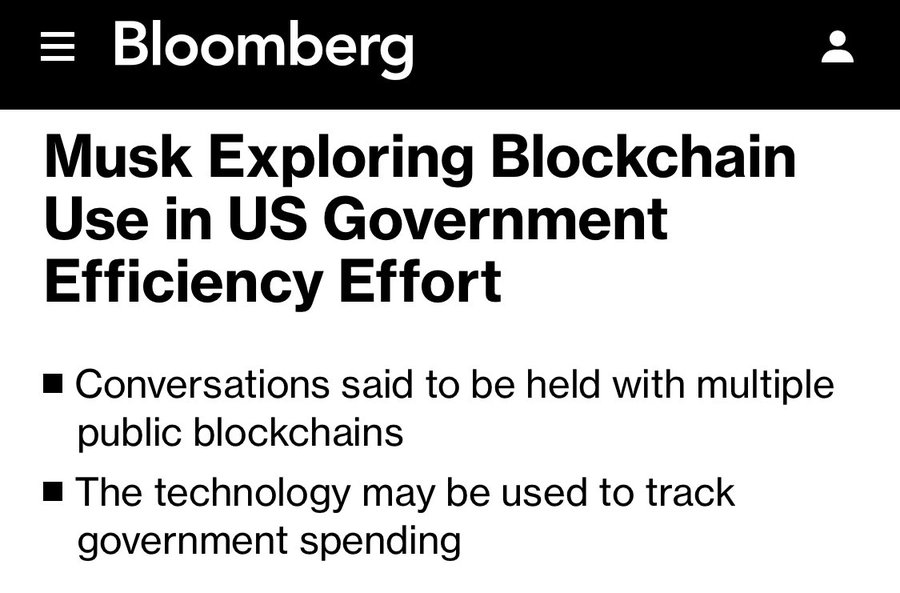
And the latest, of course, involves the madman-du-jour Elon Musk, who suggests that tossing a massively complex technology known as blockchain at a massively complex challenge will prove to be a simple solution.
- the complexity acceleration gap. the speed of change is exponential, but our solutions never are. We're seeing Silicon Valley making the same mistakes as past utopian visionaries, just with better and faster processors.
- the human nature velocity mismatch. While technology is advancing at 100 mph, human nature is still cruising at 25 mph. The hippie communes of the 1960s crashed into this reality wall - and today's crypto-utopias are heading for the same collision
- the unintended consequences accelerator. Remember the early internet utopians? They promised global democracy and got TikTok addiction instead; they promised a new form of global community and we got online hate factories. This is what happens when you ignore what I call the "chaos factor" - the exponential growth of unexpected outcomes in complex systems.
- the implementation velocity gap. It takes a massive effort to make big ideas fly, particularly in the face of big expectations with a low change velocity. It's going to be pretty funny to watch big attempts to reshape big government through grand visions that run up against bureaucratic reality.