01
The Healthcare Reboot
A new operating system for a data-driven, predictive world.
Industries · Healthcare & Life Sciences
Faster science changes the patient relationship, clinical research and care delivery. The keynote connects discovery with the operating decisions of healthcare leaders.

Begin with your audience
Hospital executives, pharmaceutical leaders and medical-technology organizations.
Faster science changes the patient relationship, clinical research and care delivery. The keynote connects discovery with the operating decisions of healthcare leaders. The final emphasis depends on who is attending, what they already understand, and the strategic choices your event is intended to support.
The shift
Scientific knowledge, connected technology and data can transform care, but clinical adoption depends on evidence and operational capability. The opportunity is immense; so is the responsibility to make progress safe, accessible and genuinely useful.
The 12 forces ↓Healthcare & Life Sciences · 12 forces
What this means for leaders: The following twelve shifts connect technology and market change to practical choices for organizations in healthcare & life sciences. They are analysis, not claims that every development is universally deployed or inevitable.
The research lens
These themes provide a direction for research, rather than a fixed set of slides. A leadership session can examine assumptions and investment priorities in depth. An industry conference can build a shared view of the changes affecting its members. A customer event can explore the future of the markets your customers serve.
Genomics and related biological insight can help medicine move from broad averages toward more precise choices for specific patients. The challenge is turning scientific possibility into clinically useful and equitable decisions. Health systems must consider validation, access, privacy and professional judgment alongside the excitement of a breakthrough, rather than assume every new test automatically produces better care.
AI can help clinicians summarize information, identify patterns and manage administrative work, but a plausible recommendation is not the same as a safe decision. Healthcare executives should define validation, escalation and accountability at the point of use. The strongest applications will reduce avoidable workload or improve care while making it easy for professionals to recognize limits and challenge an output.
Earlier diagnostics can change the economics and experience of care when interventions are effective at an earlier stage. But predictive tools can also generate unnecessary testing and anxiety if accuracy and follow-up are weak. Health leaders should evaluate the entire pathway from signal to clinical action, including false positives, access and the patient experience.
Wearables and connected devices bring some measurements into everyday life, potentially supporting prevention and continuity of care. Their value depends on signal quality, meaningful interpretation and a health service capable of responding. Collecting an endless stream of readings without trusted clinical integration can create noise for patients and clinicians alike.
Computational tools may help researchers explore compounds, biological targets and trial designs more efficiently. Yet drug discovery still faces difficult validation, clinical, regulatory and commercial stages. Leaders should distinguish improvements in research productivity from proof that a therapy is safe and effective; the real benefit comes when better discovery is connected to a responsible development process.
Connected medical devices increasingly combine physical hardware, software, data and services. This can improve maintenance, monitoring and patient support while raising requirements for security, interoperability and long-term updates. Manufacturers and providers should plan the entire product lifecycle, including how a device is supported after installation and how risks are communicated.
Healthcare teams face demographic demand, changing care locations and an expanding set of technologies. The solution is not simply asking professionals to work harder with more software. Workforce redesign should identify which work can be safely simplified, where human attention is most valuable and how people acquire new skills without compromising care.
Sharing accurate patient information can improve coordination and reduce repetitive work, but data portability is limited by technical systems, regulation and trust. The goal is not unrestricted access; it is getting the right information to authorized people when it improves care. Governance should be designed around consent, interoperability and clear responsibility for data quality.
Payment models that reward outcomes rather than volume can encourage prevention and better coordination, but incentives can be complicated and difficult to measure fairly. Health executives need to understand unintended consequences, patient differences and the administrative burden created by reporting. Technology is useful when it supports better outcomes—not when it simply produces a more sophisticated billing system.
Ageing populations will create different mixes of demand for acute care, chronic support, rehabilitation and care at home. Communities need coordinated services, workforce capacity and accessible technology. The largest strategic error is planning every additional need as if it must be delivered through today's hospital-centered model.
Remote monitoring may help clinicians identify changes between visits, especially for people managing long-term conditions. Its benefits depend on who reviews the alerts, how quickly action follows and whether patients can use the equipment. A successful program should demonstrate improved health or experience rather than celebrate the number of devices distributed.
Ransomware, device compromise and software outages can interrupt care directly. Cyber resilience therefore belongs in patient-safety planning, procurement and continuity exercises. Leaders should understand dependencies across clinical systems, third-party services and connected equipment, and prepare safe alternatives for the moments when technology is unavailable.
From forecast to decision
This is not a fixed slide deck. The right keynote starts with the audience, the current evidence, the genuine opportunities and the choices leaders must make. These forces are research directions; the specific examples and action framework are customized for the organization in the room.
Discuss your event ↗Watch 4 healthcare & life sciences videos ↗
From the archive: dated engagements and retrospectives
From the industry brief
The sample guide develops five connected movements. The emphasis and examples are refined around the actual audience and event objectives.
Why the move from sick care to predictive, preventative and personalized medicine matters now.
AI in diagnostics, clinical trials, physician workflow and patient intelligence.
Bio-connectivity, virtual care, community pharmacy and the shifting care model.
Knowledge obsolescence, new roles, clinical judgment and the learning organization.
Build trust, choose pilots, partner with science and scale only what works.
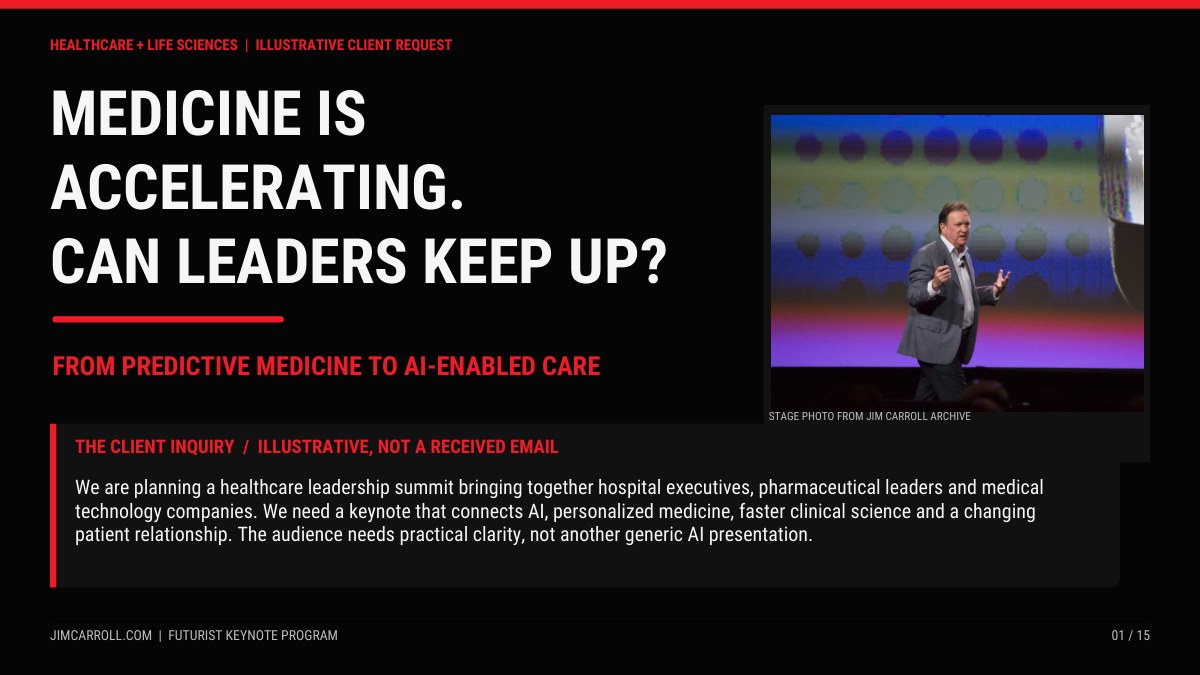
Illustrative industry brief · 15 pages
The complete guide develops the client challenge, relevant forces of change, keynote direction and industry experience. It is an illustrative briefing scenario, not a quotation from an actual client inquiry; the live proposal is shaped around your audience, priorities and objectives.
Read the healthcare & life sciences brief (PDF) ↗All 21 briefs ↗Documented healthcare & life sciences engagements




 ATS Life Sciences Systems2025 · Case study ↗
 ICON PLC2024 · Case study ↗
 Invisalign / Align Technology2022 · Case study ↗
 Cain Watters & Associates2022 · Case study ↗
 PhRMA2019 · Case study ↗
 AAOE2019 · Case study ↗
 New York Health Plans Association2018 · Case study ↗
 Magellan Health2018 · Case study ↗
 Ontario Dental Association2018 · Case study ↗
 PerkinElmer2018 · Case study ↗
 Henry Schein2017 · Case study ↗
 Genentech2017 · Case study ↗
 NCPDP2017 · Case study ↗
 NAVC2016 · Case study ↗
 Patterson Veterinary2015 · Case study ↗
 McKesson2015 · Case study ↗
 American Medical Group Association2013 · Case study ↗
Also worked with
Boehringer IngelheimAmerican Medical AssociationOptima Health
What healthcare clients say
Using health-sector feedback rather than recycling the same general testimonials.
“The best speaker we've ever had, bar none!”
“You were phenomenal... wow the feedback on your session has been fantastic!”
“A stunning keynote with extremely powerful insight. Humour, energy, deep research and relevant content for our audience. We loved him!”
“Revenue reinvention. The acceleration of science. The transformation of industry. I could barely keep up with the blistering pace of the change that is coming at us.”
Representative client experience
Pharmaceuticals, biotech, hospitals, medicine, devices, pharmacy, dental, veterinary and wellness.
The published record
Relevant published engagements from JimCarroll.com. Cross-industry examples show adjacent markets and questions; the specific scope of each assignment is described in its original story.
The deep dive
From sick care to predictive, personalized, connected healthcare.
For more than three decades, Jim Carroll has helped healthcare systems, pharmaceutical companies, medical-device leaders, pharmacy organizations, clinicians and life-science executives understand the accelerating science and technology reshaping medicine.
Download the healthcare & life sciences keynote brochure (PDF, 3.6 MB) ↗
A foundational career artifact
Long before “digital health,” “the empowered patient,” telemedicine or online medical misinformation became mainstream issues, Jim Carroll and Rick Broadhead wrote Good Health Online: A Wellness Guide for Every Canadian.
The book explored how ordinary people would use networked medical information, how the doctor-patient relationship would change, why information quality mattered, and how healthcare organizations would have to adapt to increasingly informed patients.
Nearly three decades later, Jim still uses it as an early marker of a career-long healthcare thesis: medicine would become more connected, more information-rich, more personalized and more participatory.
The information-empowered patient was not a future trend. It was already beginning.
The great pivot
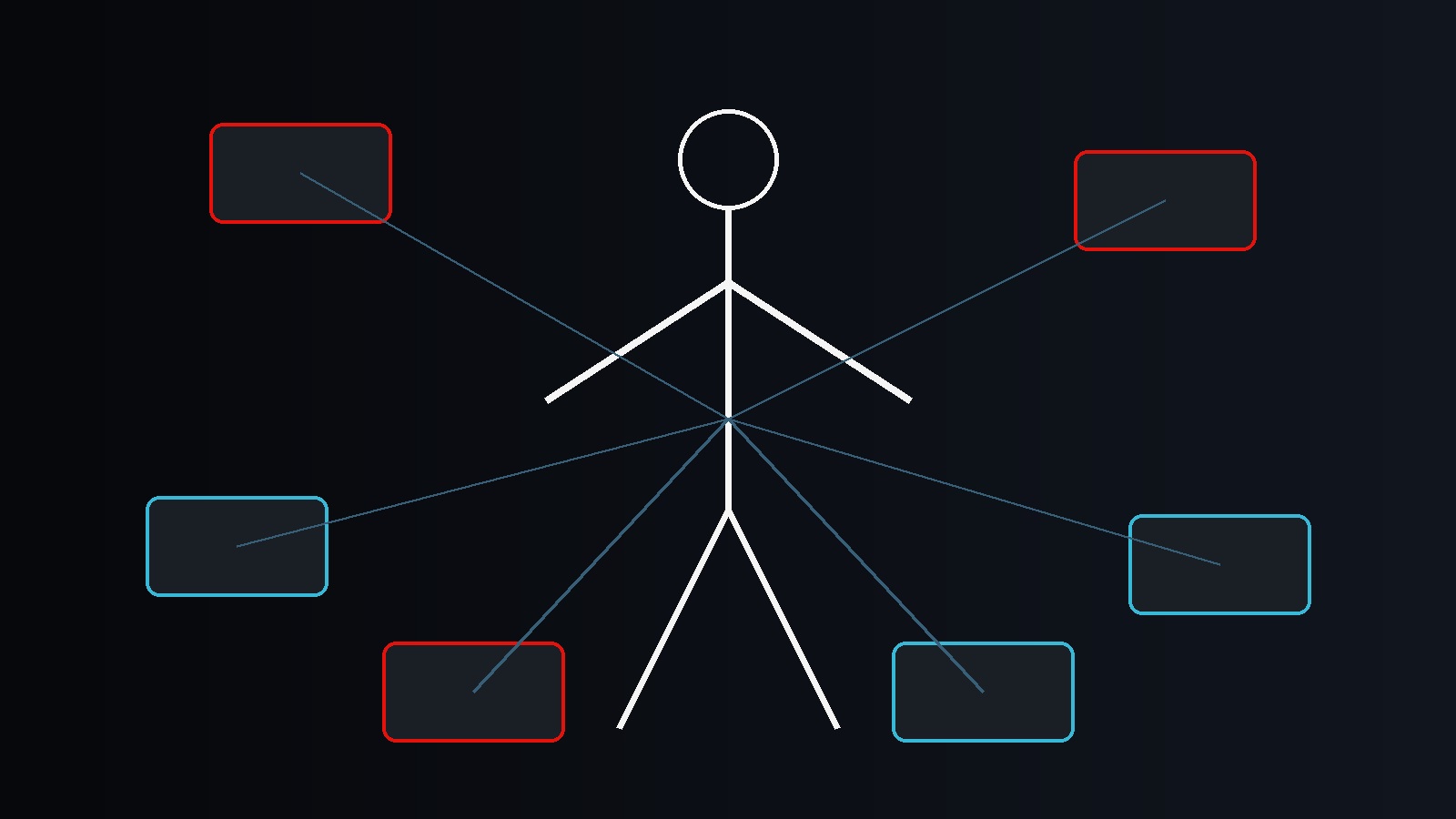
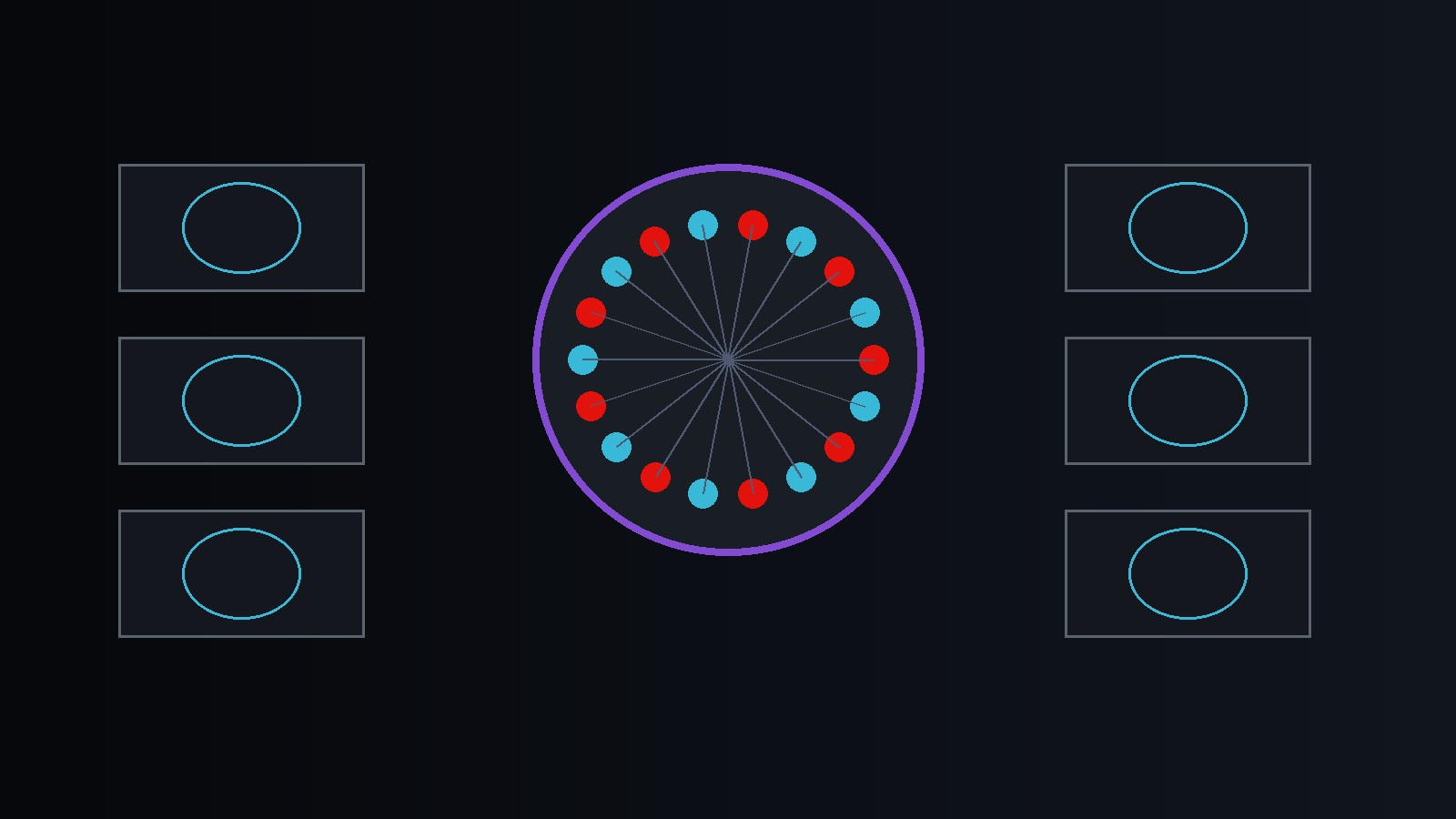
Jim has been using this framing for decades: the system shifts from reacting after illness appears toward predicting, preventing and managing conditions earlier through genomics, diagnostics, data and connected care.
Genomics, AI and continuous data improve the ability to identify risk before symptoms appear.
Care moves upstream toward wellness, diagnostics, adherence and earlier intervention.
Medicine moves from the average patient toward treatment based on individual biology, response and context.
Potential keynote directions
Hospital leaders, pharma executives, pharmacists, clinicians and medical-device organizations do not need the same speech.
01
A new operating system for a data-driven, predictive world.
02
Diagnostics, clinical decisions, discovery and the algorithmic medical partner.
03
Genomics, pharmacogenetics and patient-of-one care.
04
Bio-connectivity, virtual care and the extension of care into the home.
05
From dispensing pills to diagnostics, community care and digital therapeutics.
06
How to lead when knowledge and capability move faster than institutions.
Experience
From e-health and electronic records to genomics, connected devices, AI clinical trials and precision medicine.
1997–05
Empowered patients, EHR, healthcare IT, risk, supply chain, diagnostics and medical knowledge growth.
2006–12
Preventative genomic medicine, virtual care, retail health, just-in-time knowledge and system redesign.
2013–18
Pharmacogenetics, connected devices, 3D medical materials, new pharmacy roles and accelerating science.
2019–23
Pfizer, PhRMA, Genentech, post-pandemic healthcare, digital therapeutics and remote monitoring.
2024+
AI-enabled clinical trials, algorithmic diagnostics, patient-of-one medicine and continuous physiological data.
10 trends redefining healthcare
Healthcare is being reshaped by multiple forces arriving together rather than one isolated technology.
01
Move from fixing people after they are sick toward earlier prediction and intervention.
02
Gene therapy, regenerative medicine, biomaterials and rapidly expanding knowledge.
03
Wearables, implantables, remote monitoring and hospital-level care beyond hospital walls.
04
Patients increasingly arrive with data, research, expectations and digital tools.
05
Imaging, decision support, treatment planning and clinical workflow augmentation.
06
Episodic measurement gives way to continuous health intelligence.
07
Hyper-specialization creates demand for the right knowledge at the right moment.
08
Pharmacy expands into community care, diagnostics, vaccines and integrated health services.
09
The focus shifts from simply extending lifespan toward extending healthy life.
10
Tech, insurance, food, devices, pharma and healthcare increasingly overlap.
Knowledge acceleration
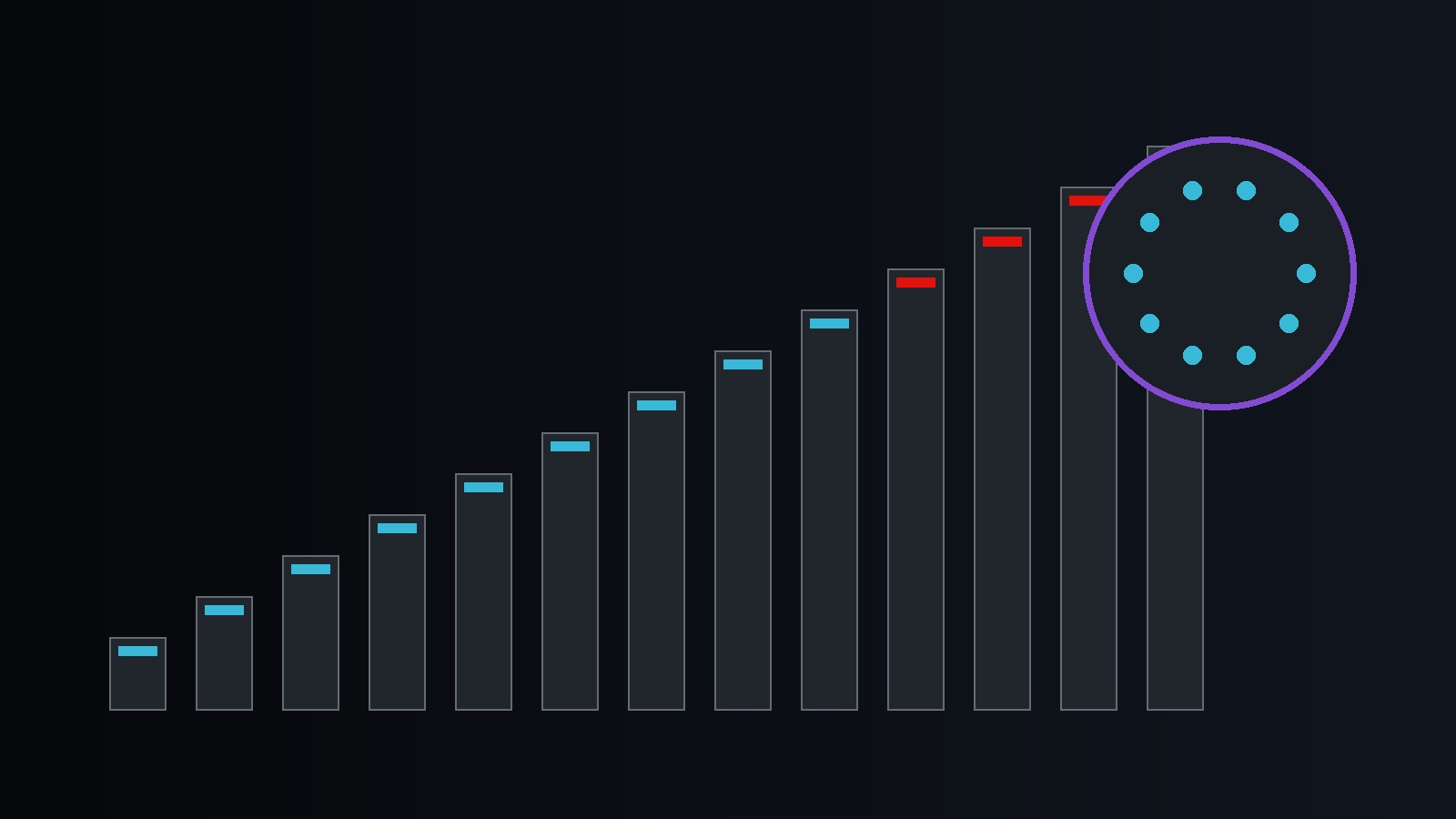
Medical knowledge has moved from a world where doubling took years toward a world where the knowledge base can expand in months.
The strategic challenge is no longer simply what clinicians know. It is how effectively a healthcare system gets the right knowledge to the right professional at the right time.
Just-in-time knowledge becomes a core clinical capability.
Bio-connectivity
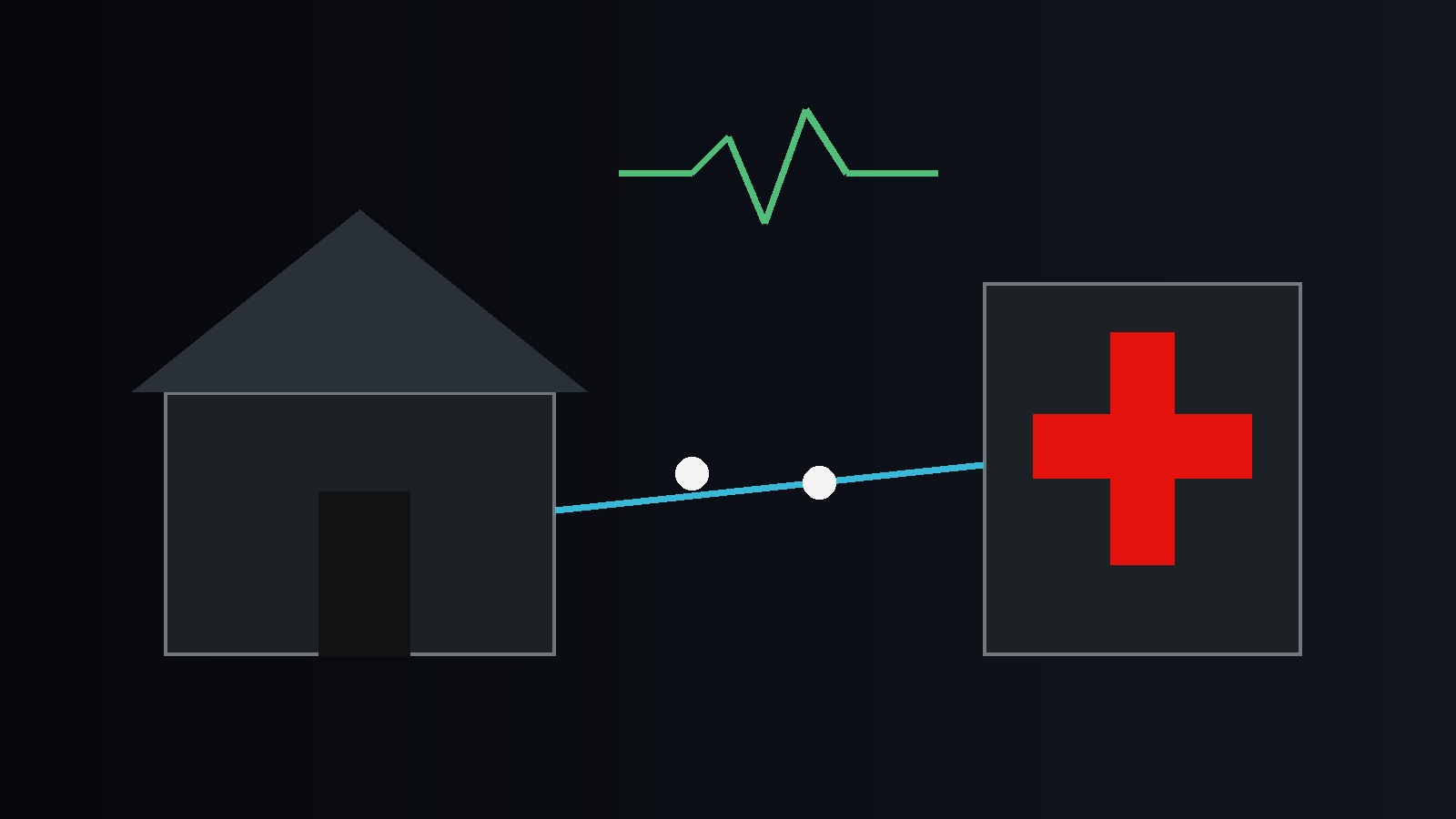
The future hospital becomes as much a network as a place.
Care does not disappear. The walls do. Connected medical devices, telehealth, remote monitoring and home diagnostics extend healthcare into the community and home.
AI in medicine
The opportunity is not to replace the clinician. It is to give the clinician access to a level of pattern recognition and knowledge no human can carry alone.
AI increasingly supports image interpretation, diagnostic reasoning, drug discovery, trial design, documentation and treatment planning.
Pharma & biotech
Genomics and pharmacogenetics shift treatment from mass-market averages toward therapies designed for specific genetic profiles and biological pathways.
The drug-development system also becomes increasingly computational: candidate molecules, patient recruitment, response prediction and clinical-trial design are all targets for AI acceleration.
The redefined pharmacy
Jim has been discussing the expansion of pharmacy since the early 2000s, often using MinuteClinic as an early sign that routine healthcare would move into retail settings.
Vaccination, diagnostics, medication management, chronic-care support, digital therapeutics and community health services expand the pharmacist's role far beyond dispensing.
Precision medicine
The patient becomes a dataset of one.
Genomic sequencing, pharmacogenomics, biomarkers, AI and continuous monitoring create an increasingly individualized model of medicine.

Longevity & healthspan
Regenerative medicine, brain science, gene therapy, biomaterials and earlier diagnostics shift the healthcare agenda toward extending the years people can live with meaningful health.
Healthcare risk
Risk management must accelerate with the science.
New therapies, AI systems, connected devices, data dependence, cybersecurity and rapidly changing standards create risk categories that did not exist when many current governance models were designed.
Prediction scorecard
From the information-empowered patient to predictive genomic medicine, many of the structural calls have become the operating reality.
1997
Patients use networked information and change the clinical relationship.
2006
Healthcare shifts from react-and-repair toward predict-and-prevent.
2010
Virtual care, bio-connectivity and community-oriented delivery.
2011
Community pharmacy becomes a larger part of preventative healthcare.
2024
AI accelerates candidate selection, trial enrollment and response prediction.
Client stories
Pharma leadership, hospital CEOs, medical associations, device companies and pharmacy groups each require a different future story.
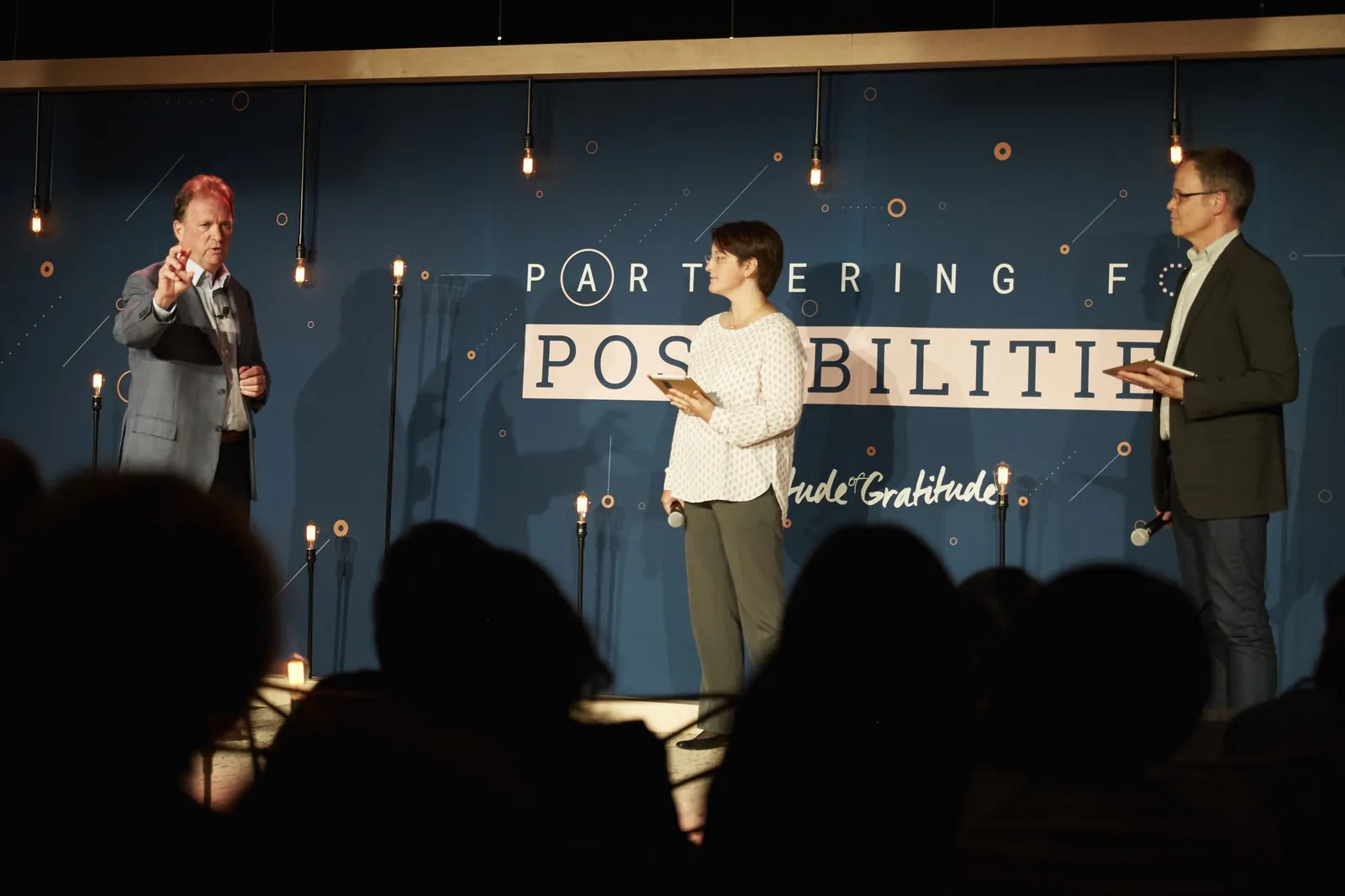
Genentech
550 executives exploring pharmacogenetics, genomic medicine and the shift from sick care toward personalized healthcare.
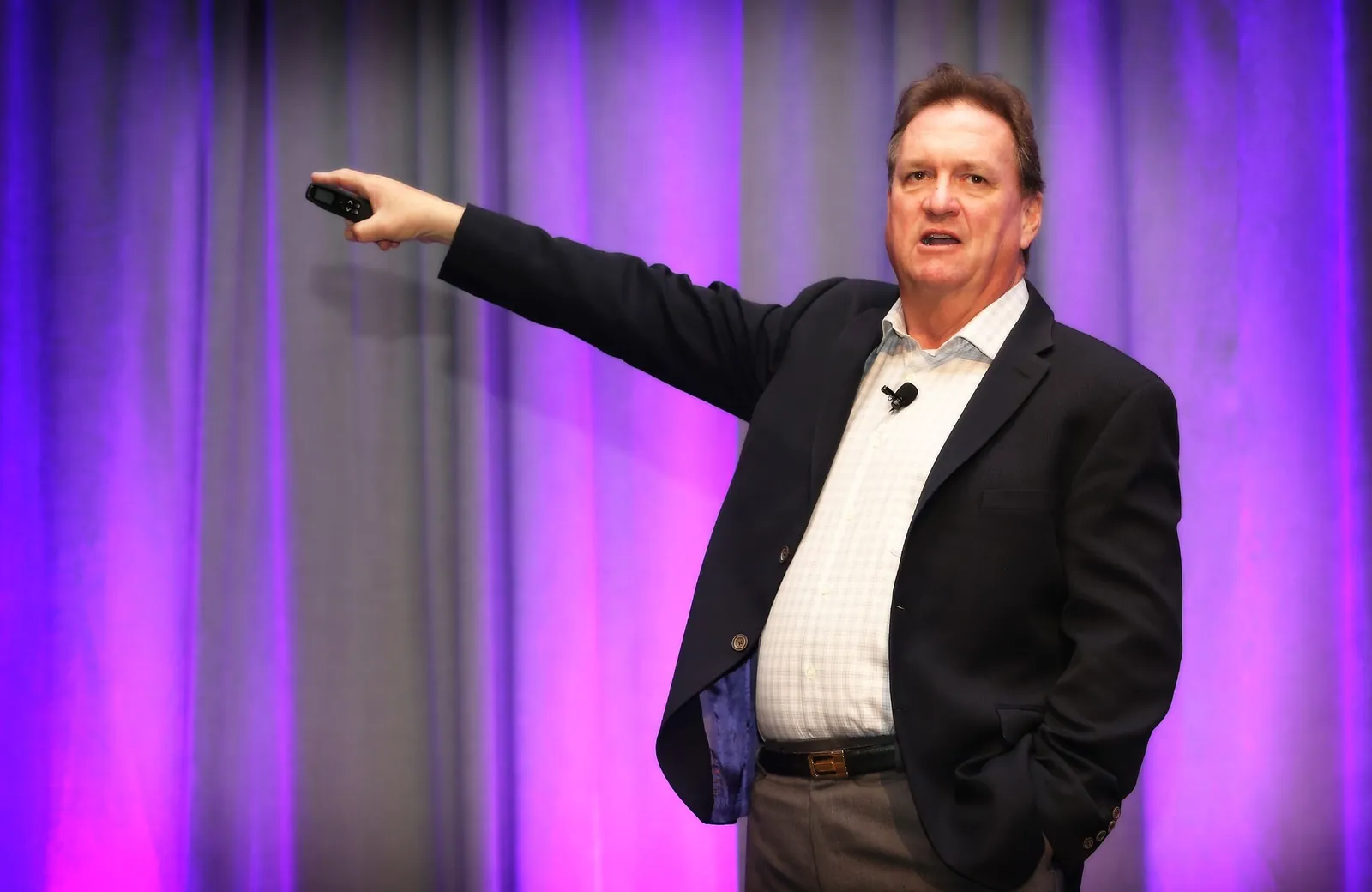
Orthopaedic Executives
Bionic limbs, 3D printed body parts, new materials and connected medical devices for more than 500 executives.
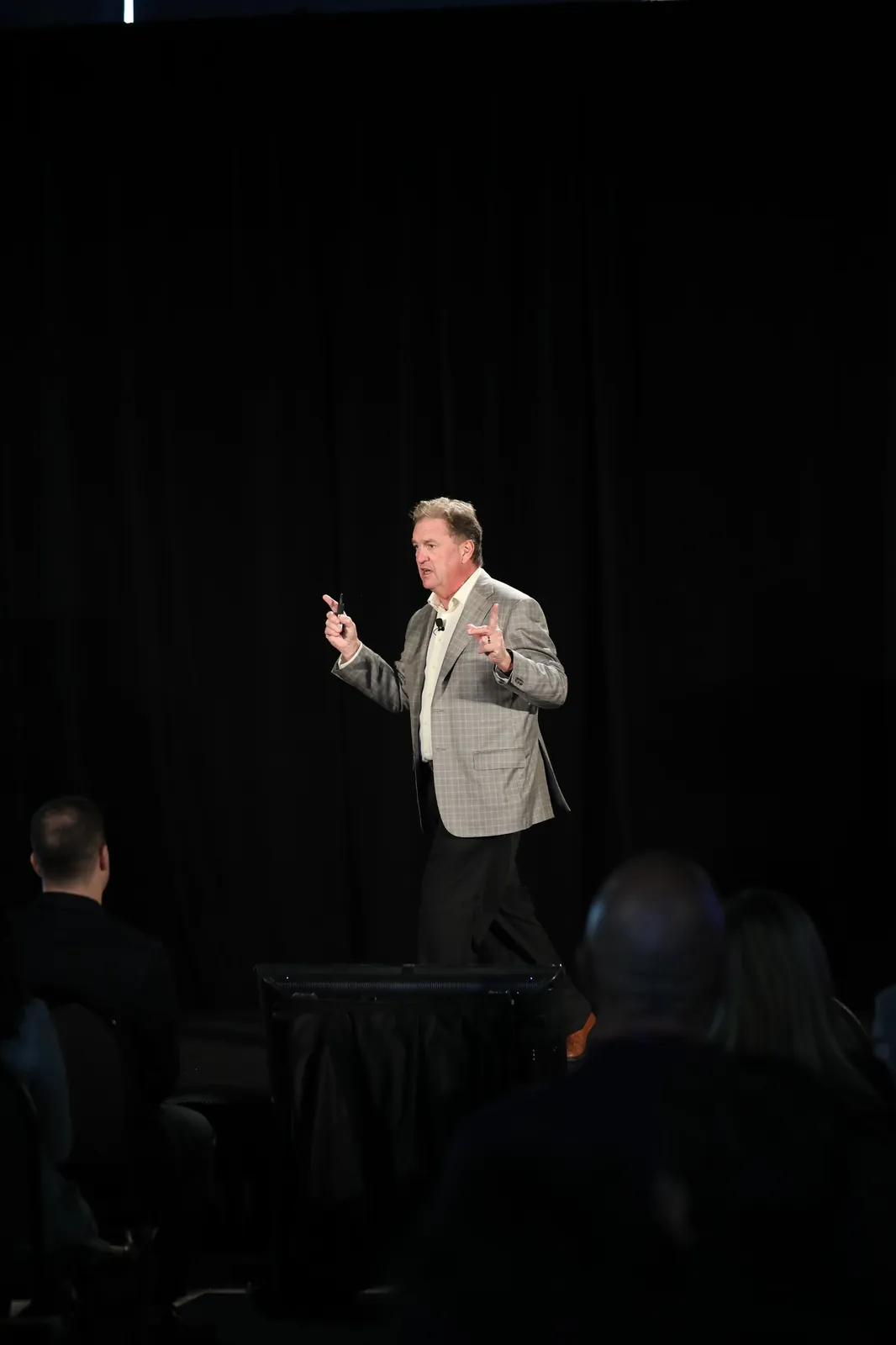
Emergent BioSolutions
Scientific acceleration, medical transformation and the opportunities emerging from rapidly changing healthcare.
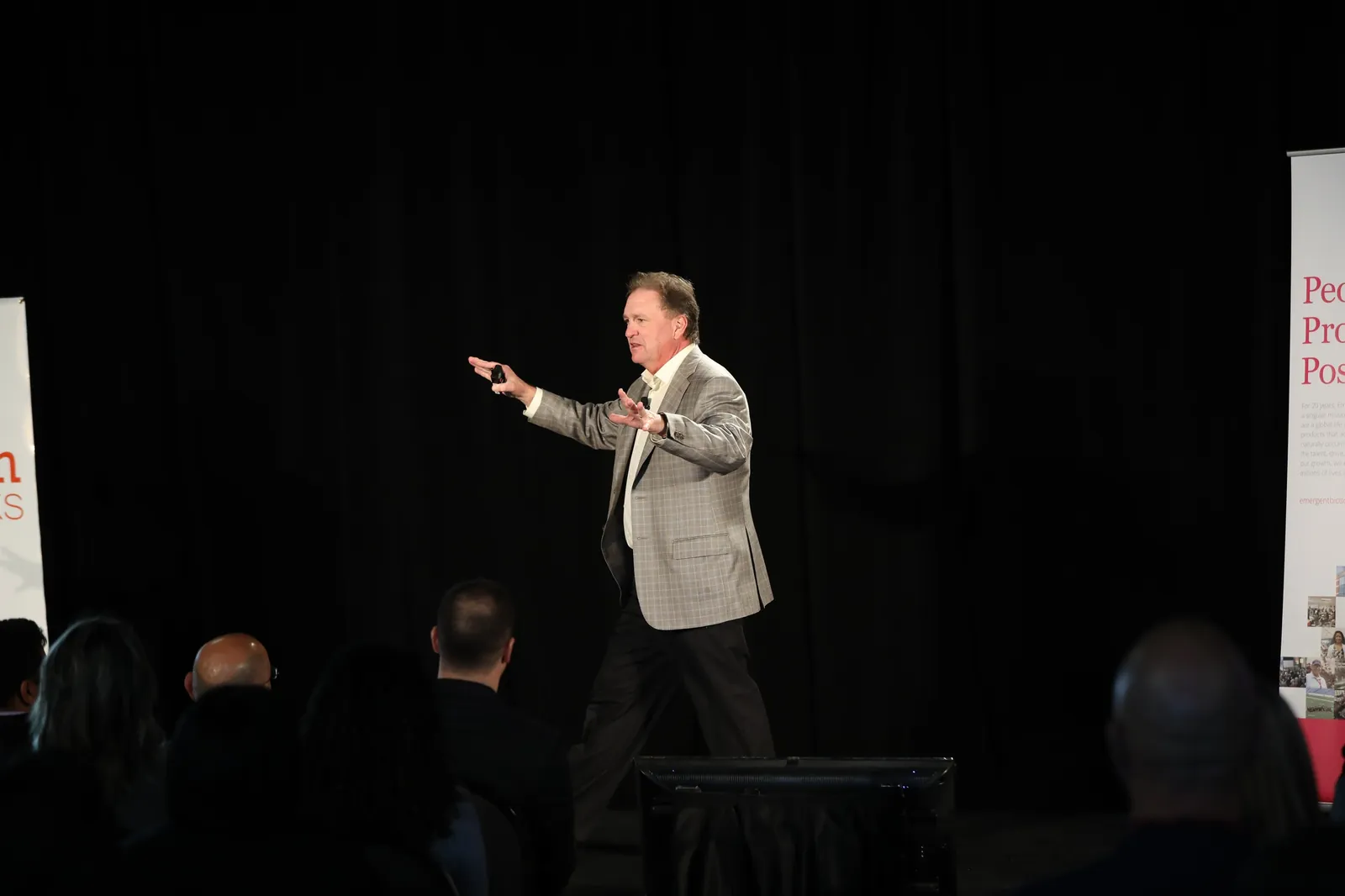
Hospital Leadership
Hospital CEOs and senior leaders focused on genomics, virtual care, just-in-time knowledge, consumerization and system innovation.
Corporate leadership proof
For strategy meetings, scientific leadership sessions and highly customized industry events.
Global leadership on genomics, gene therapy, medical-device connectivity, patient-doctor change and exploding medical knowledge.
CEO-led strategy meeting on AI in pharmaceutical development and clinical trials, including patient recruitment and response prediction.
Scientific and technological trends redefining healthcare and biopharmaceutical research.
Genomics, surgical innovation, connected devices, accelerating science and the future of orthopaedic technology.
Bio-connected devices, virtualization of healthcare, big data and analytics.
Supply chain meets digital health, community pharmacy transformation and the changing role of pharmaceutical distribution.
Deep customization
A pharma R&D team, a hospital board, pharmacists and medical-device executives need different trend maps.
Scientific literature, market data, clinical technology, company strategy, event objectives, stakeholder calls and current developments. Jim builds the story around the specific medical or healthcare context in the room.
LISTEN → RESEARCH → MAP THE SCIENCE → BUILD THE STORY → CONNECT THE ROOM → LEAVE A PLAYBOOK
These sections first appeared on healthcare.jimcarroll.com, Jim’s former healthcare industry site, and now live here with their original copy and images.
From the research archive
Other industries
Make it about your audience
Bring the event objectives, the people attending and the questions you want them discussing afterward.